UPSC Current Affairs
Why hybrid vehicles could be a cleaner solution for India than EVs, at least for the next 7-10 years
Hybrid vehicles, which combine an internal combustion engine and an electric motor, are being considered as a key step towards electrification globally, including in India. While companies like Tata Motors, Mahindra & Mahindra, and Hyundai Motor are heavily investing in electric vehicles (EVs), Maruti Suzuki, the market leader in passenger cars, has not yet introduced a battery electric vehicle. Instead, Maruti Suzuki has prioritized hybrids, in collaboration with Toyota Kirloskar.
VRAuthor Desk
4 min read
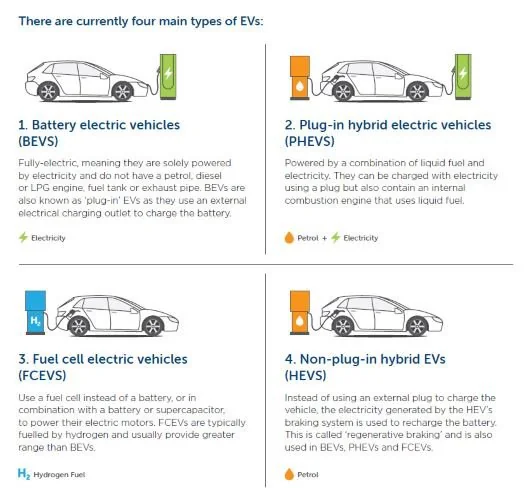
Hybrid vehicles, which combine an internal combustion engine and an electric motor, are being considered as a key step towards electrification globally, including in India. While companies like Tata Motors, Mahindra & Mahindra, and Hyundai Motor are heavily investing in electric vehicles (EVs), Maruti Suzuki, the market leader in passenger cars, has not yet introduced a battery electric vehicle. Instead, Maruti Suzuki has prioritized hybrids, in collaboration with Toyota Kirloskar.
What are Hybrids?
- Hybrid vehicles, which combine an internal combustion engine and an electric motor, are being considered as a key step towards electrification globally, including in India.
- While companies like Tata Motors, Mahindra & Mahindra, and Hyundai Motor are heavily investing in electric vehicles (EVs), Maruti Suzuki, the market leader in passenger cars, has not yet introduced a battery electric vehicle. Instead, Maruti Suzuki has prioritized hybrids, in collaboration with Toyota Kirloskar.
- The Indian government currently offers tax incentives primarily for one category of cars, with most other vehicle technologies falling into a higher tax bracket.
- India’s electric mobility plan is largely focused on battery electric vehicles (BEVs) replacing internal combustion engine (ICE) vehicles, with lithium-ion batteries seen as the most viable option at present.
Why does HSBC believe hybrid vehicles are a good medium-term solution?
- HSBC has stated in a note to investors that hybrid and compressed natural gas cars are a practical solution for India for the next 5-10 years as the country moves towards full electrification.
- Hybrids are not only beneficial from a cost perspective but are also crucial for India’s decarbonisation efforts. The note reveals that the total carbon emissions (well-to-wheel, or WTW) from an electric vehicle (EV) are currently 158 g/km, compared to 133 g/km for hybrids, making hybrids at least 16% less polluting than EVs.
- The corresponding figures for petrol and diesel vehicles are 176 g/km and 201 g/km, respectively. This analysis includes not only tailpipe emissions (tank-to-wheel, or TTW) but also emissions from crude mining, refining, and power generation.
- HSBC notes that if coal production emissions were included in the case of EVs, hybrids would be even more favorable.
For how long is this situation expected to hold?
- According to HSBC analysis, the emissions from electric vehicles (EVs) and hybrids could become equal after 7-10 years. As of FY23, the non-fossil share of power generation in India was 26%, with a blended emission rate of 716g/kWh.
- The note suggests that the total emissions from hybrids and EVs will converge if the non-fossil power generation in India increases to 44%. By 2030, even if the share of non-fossil fuels in India is 40%, hybrids will still emit 8% less than EVs.
- However, this is half of today’s difference of 16%.
- How is the overall global push for BEVs faring?
The rapid adoption of battery electric vehicles (EVs) faces several challenges:
Upfront Subsidy:
- State subsidies have proven crucial for EV adoption in countries like Norway, the US, and China.
- However, in developing countries like India, these subsidies often benefit the middle and upper-middle classes, who are typically the buyers of battery electric four-wheelers.
Charging Network:
- Investing in charging infrastructure is 4-7 times more effective in promoting EV adoption than upfront purchase subsidies, according to a World Bank analysis. While India had over 1 million EVs by mid-2022, it only has about 2,000 public charging stations.
- The country’s vehicle mix, dominated by two- and three-wheelers, presents unique challenges for building charging infrastructure.
Electricity Source:
- In countries that have pushed EVs, much of the electricity is generated from renewables. In contrast, India’s grid is largely powered by coal-fired thermal plants.
- Unless the generation mix changes significantly, India would be using fossil fuel generation to power EVs, leading to reduced tailpipe emissions but continuing pollution from thermal plants.
Value Chain:
- India is struggling to enter the global lithium value chain. The country’s demand for Li-ion batteries is projected to grow at a CAGR of over 30% by volume up to 2030, requiring more than 50,000 tonnes of lithium.
- However, over 90% of global lithium production is concentrated in a few countries, making India almost entirely dependent on imports. While alternatives to Li-ion are being explored, their viability remains a key factor.
Conclusion- The transition to electric vehicles (EVs) in India faces several significant challenges. While state subsidies have been effective in promoting EV adoption in other countries, they often benefit the middle and upper-middle classes in India. The country also lacks sufficient charging infrastructure, a problem compounded by the dominance of two- and three-wheelers in the vehicle mix. Furthermore, the electricity source for charging EVs is predominantly coal-fired thermal plants, which continue to contribute to pollution. Lastly, India’s dependency on imports for lithium, a key component of Li-ion batteries, poses a challenge to the country’s EV ambitions.
Therefore, while the push towards EVs is commendable, a more practical medium-term solution for India could be the adoption of hybrid vehicles, which currently have lower overall carbon emissions compared to both EVs and conventional vehicles.
- Prelims: Key facts, institutions, locations and terminology in the article.
- Mains: Connect the topic with Economy, Polity & Governance.
- Revision: Use the article headings to prepare concise notes and answer-writing points.
Test your understanding
Questions from this article
Prelims practiceWith reference to Why hybrid vehicles could be a cleaner solution for India than EVs, at least for the next 7-10 years, consider the following statements:
- Hybrid vehicles, which combine an internal combustion engine and an electric motor, are being considered as a key step towards electrification globally, including in India.
- While companies like Tata Motors, Mahindra & Mahindra, and Hyundai Motor are heavily investing in electric vehicles (EVs), Maruti Suzuki, the market leader in passenger cars, has not yet introduced a battery electric…
- The Indian government currently offers tax incentives primarily for one category of cars, with most other vehicle technologies falling into a higher tax bracket.
Which of the statements given above are correct?
- 1 and 2 only
- 2 and 3 only
- 1 and 3 only
- 1, 2 and 3
View answer
Answer: (d) 1, 2 and 3. All three statements are drawn from the article.
Mains practiceDiscuss the background, key issues and significance of Why hybrid vehicles could be a cleaner solution for India than EVs, at least for the next 7-10 years for India.
Answer in 250 words.
View answer approach
- What are Hybrids?
- Why does HSBC believe hybrid vehicles are a good medium-term solution?
- For how long is this situation expected to hold?
- The rapid adoption of battery electric vehicles (EVs) faces several challenges:
- Upfront Subsidy:
Frequently asked questionsFrequently asked questions
Why is Why Hybrid Vehicles Could Be A Cleaner Solution For India Than Evs, At Least For The Next 7-10 Years in the news?
Hybrid vehicles, which combine an internal combustion engine and an electric motor, are being considered as a key step towards electrification globally, including in India. While companies like Tata Motors, Mahindra & Mahindra, and Hyundai Motor are heavily investing in electric vehicles (EVs), Maruti Suzuki, the market leader in passenger cars, has not yet introduced a battery electric vehicle.
What are the key facts about Why Hybrid Vehicles Could Be A Cleaner Solution For India Than Evs, At Least For The Next 7-10 Years?
Instead, Maruti Suzuki has prioritized hybrids, in collaboration with Toyota Kirloskar. The Indian government currently offers tax incentives primarily for one category of cars, with most other vehicle technologies falling into a higher tax bracket. India’s electric mobility plan is largely focused on battery electric vehicles (BEVs) replacing internal combustion engine (ICE) vehicles, with lithium-ion batteries seen as the most viable option at present.
Why is Why Hybrid Vehicles Could Be A Cleaner Solution For India Than Evs, At Least For The Next 7-10 Years important for UPSC preparation?
The topic connects current developments with Economy, Polity & Governance and is relevant for both objective revision and analytical answer writing.