UPSC Current Affairs
What is rat-hole mining, being done to rescue trapped Uttarkashi tunnel workers
Rat hole mining is a method of extracting coal from narrow, horizontal seams, prevalent in Meghalaya. The term “rat hole” refers to the narrow pits dug into the ground, typically just large enough for one person to descend and extract coal. Once the pits are dug, miners descend using ropes or bamboo ladders to reach the coal seams.
VRAuthor Desk
2 min read
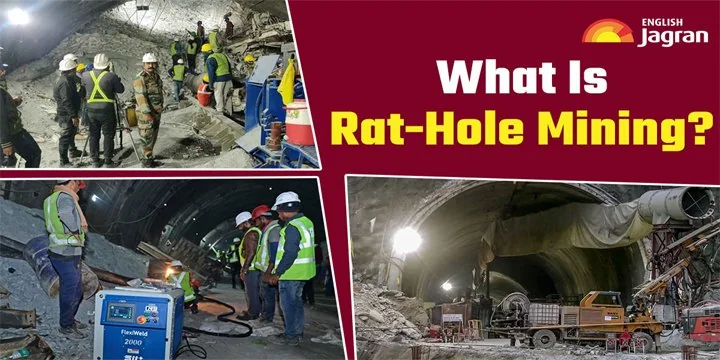
Rat hole mining is a method of extracting coal from narrow, horizontal seams, prevalent in Meghalaya. The term “rat hole” refers to the narrow pits dug into the ground, typically just large enough for one person to descend and extract coal. Once the pits are dug, miners descend using ropes or bamboo ladders to reach the coal seams.
What is rat-hole mining?
- Rat hole mining is a method of extracting coal from narrow, horizontal seams, prevalent in Meghalaya. The term “rat hole” refers to the narrow pits dug into the ground, typically just large enough for one person to descend and extract coal.
- Once the pits are dug, miners descend using ropes or bamboo ladders to reach the coal seams. The coal is then manually extracted using primitive tools such as pickaxes, shovels, and baskets.
- OP Singh, professor of environmental studies at North Eastern Hill University (NEHU) in Shillong, said that rat-hole mining is broadly of two types. “In the side-cutting procedure, narrow tunnels are dug on the hill slopes and workers go inside until they find the coal seam. The coal seam in hills of Meghalaya is very thin, less than 2 m in most cases,”.
- In the other type of rat-hole mining, called box-cutting, a rectangular opening is made, varying from 10 to 100 sqm, and through that a vertical pit is dug, 100 to 400 feet deep. Once the coal seam is found, rat-hole-sized tunnels are dug horizontally through which workers can extract the coal.
Environmental and safety concerns
- Rat hole mining poses significant safety and environmental hazards. The mines are typically unregulated, lacking safety measures such as proper ventilation, structural support, or safety gear for the workers. Additionally, the mining process can cause land degradation, deforestation, and water pollution.
- This method of mining has faced severe criticism due to its hazardous working conditions, environmental damage, and numerous accidents leading to injuries and fatalities.
- Despite attempts by authorities to regulate or ban such practices, they often persist due to economic factors and the absence of viable alternative livelihoods for the local population.
When was it banned, and why?
- The National Green Tribunal (NGT) banned the practice in 2014, and retained the ban in 2015.
- The NGT observed, “It is also informed that there are umpteen number of cases where by virtue of rat-hole mining, during the rainy season, water flooded into the mining areas resulting in death of many individuals including employees/workers.”
Conclusion- The order was in connection with Meghalaya, where this remained a prevalent procedure for coal mining. However, The state government then appealed the order in the Supreme Court.
Syllabus- GS-3; Science and Tech
Source- Indian Express
- Prelims: Key facts, institutions, locations and terminology in the article.
- Mains: Connect the topic with Environment, Economy, Polity & Governance.
- Revision: Use the article headings to prepare concise notes and answer-writing points.
Test your understanding
Questions from this article
Prelims practiceWith reference to What is rat-hole mining, being done to rescue trapped Uttarkashi tunnel workers, consider the following statements:
- Rat hole mining is a method of extracting coal from narrow, horizontal seams, prevalent in Meghalaya. The term “rat hole” refers to the narrow pits dug into the ground, typically just large enough for one person to…
- Once the pits are dug, miners descend using ropes or bamboo ladders to reach the coal seams. The coal is then manually extracted using primitive tools such as pickaxes, shovels, and baskets.
- OP Singh, professor of environmental studies at North Eastern Hill University (NEHU) in Shillong, said that rat-hole mining is broadly of two types. “In the side-cutting procedure, narrow tunnels are dug on the hill…
Which of the statements given above are correct?
- 1 and 2 only
- 2 and 3 only
- 1 and 3 only
- 1, 2 and 3
View answer
Answer: (d) 1, 2 and 3. All three statements are drawn from the article.
Mains practiceDiscuss the background, key issues and significance of What is rat-hole mining, being done to rescue trapped Uttarkashi tunnel workers for India.
Answer in 250 words.
View answer approach
- What is rat-hole mining?
- When was it banned, and why?
- Background and context
- Key facts and institutional framework
- Significance and way forward
Frequently asked questionsFrequently asked questions
Why is What Is Rat-Hole Mining, Being Done To Rescue Trapped Uttarkashi Tunnel Workers in the news?
Rat hole mining is a method of extracting coal from narrow, horizontal seams, prevalent in Meghalaya. The term “rat hole” refers to the narrow pits dug into the ground, typically just large enough for one person to descend and extract coal.
What are the key facts about What Is Rat-Hole Mining, Being Done To Rescue Trapped Uttarkashi Tunnel Workers?
Once the pits are dug, miners descend using ropes or bamboo ladders to reach the coal seams. The coal is then manually extracted using primitive tools such as pickaxes, shovels, and baskets. OP Singh, professor of environmental studies at North Eastern Hill University (NEHU) in Shillong, said that rat-hole mining is broadly of two types.
Why is What Is Rat-Hole Mining, Being Done To Rescue Trapped Uttarkashi Tunnel Workers important for UPSC preparation?
The topic connects current developments with Environment, Economy, Polity & Governance and is relevant for both objective revision and analytical answer writing.