UPSC Current Affairs
Tuberculosis
Context: According to a recent research one in two tuberculosis patients either has diabetes or prediabetes, that is every other TB patient has some sort of glucose metabolism disorder. About TB: Tuberculosis (TB) is caused by a bacterium called Mycobacterium tuberculosis. The bacteria usually attack the lungs, but TB bacteria can attack any part of the body such as the kidney, spine, and brain.
VRAuthor Desk
2 min read
Context: According to a recent research one in two tuberculosis patients either has diabetes or prediabetes, that is every other TB patient has some sort of glucose metabolism disorder. About TB: Tuberculosis (TB) is caused by a bacterium called Mycobacterium tuberculosis. The bacteria usually attack the lungs, but TB bacteria can attack any part of the body such as the kidney, spine, and brain.
Context:
- According to a recent research one in two tuberculosis patients either has diabetes or prediabetes, that is every other TB patient has some sort of glucose metabolism disorder.
About TB:
- Tuberculosis (TB) is caused by a bacterium called Mycobacterium tuberculosis.
- The bacteria usually attack the lungs, but TB bacteria can attack any part of the body such as the kidney, spine, and brain.
- Not everyone infected with TB bacteria becomes sick.
- As a result, two TB-related conditions exist: latent TB infection (LTBI) and TB disease.
- If not treated properly, TB disease can be fatal.
Spread of TB:
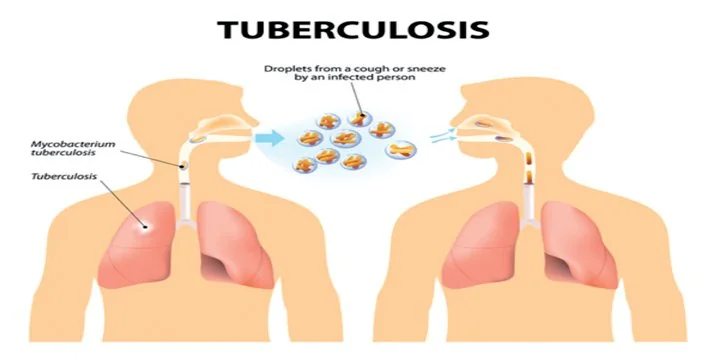
- TB bacteria spread through the air from one person to another.
- When a person with TB disease of the lungs or throat coughs, speaks, or sings, TB bacteria can get into the air.
- People nearby may breathe in these bacteria and become infected.
- When a person breathes in TB bacteria, the bacteria can settle in the lungs and begin to grow.
- From there, they can move through the blood to other parts of the body, such as the kidney, spine, and brain.
- TB disease in the lungs or throat can be infectious.
- This means that the bacteria can spread to other people.
- TB in other parts of the body, such as the kidney or spine, is usually not infectious.
- People with TB disease are most likely to spread it to people they spend time with every day.
- This includes family members, friends, and coworkers or schoolmates.
Signs and symptoms:
- Symptoms of TB disease depend on where in the body the TB bacteria are growing.
- TB bacteria usually grow in the lungs (pulmonary TB). TB disease in the lungs may cause symptoms such as:
- a bad cough that lasts 3 weeks or longer
- pain in the chest
- coughing up blood or sputum (phlegm from deep inside the lungs)
Other symptoms of TB disease are
- weakness or fatigue
- weight loss
- no appetite
- chills
- fever
- sweating at night
Symptoms of TB disease in other parts of the body depend on the area affected.
People who have latent TB infection
- do not feel sick,
- do not have any symptoms, and
- cannot spread TB to others.
Syllabus: Prelims
- Prelims: Key facts, institutions, locations and terminology in the article.
- Mains: Connect the topic with Polity & Governance, Health.
- Revision: Use the article headings to prepare concise notes and answer-writing points.
Test your understanding
Questions from this article
Prelims practiceWith reference to Tuberculosis, consider the following statements:
- According to a recent research one in two tuberculosis patients either has diabetes or prediabetes, that is every other TB patient has some sort of glucose metabolism disorder.
- Tuberculosis (TB) is caused by a bacterium called Mycobacterium tuberculosis.
- The bacteria usually attack the lungs, but TB bacteria can attack any part of the body such as the kidney, spine, and brain.
Which of the statements given above are correct?
- 1 and 2 only
- 2 and 3 only
- 1 and 3 only
- 1, 2 and 3
View answer
Answer: (d) 1, 2 and 3. All three statements are drawn from the article.
Mains practiceDiscuss the background, key issues and significance of Tuberculosis for India.
Answer in 250 words.
View answer approach
- Context:
- About TB:
- Spread of TB:
- Signs and symptoms:
Frequently asked questionsFrequently asked questions
Why is Tuberculosis in the news?
Context: According to a recent research one in two tuberculosis patients either has diabetes or prediabetes, that is every other TB patient has some sort of glucose metabolism disorder. About TB: Tuberculosis (TB) is caused by a bacterium called Mycobacterium tuberculosis.
What are the key facts about Tuberculosis?
The bacteria usually attack the lungs, but TB bacteria can attack any part of the body such as the kidney, spine, and brain. Not everyone infected with TB bacteria becomes sick. As a result, two TB-related conditions exist: latent TB infection (LTBI) and TB disease.
Why is Tuberculosis important for UPSC preparation?
The topic connects current developments with Polity & Governance, Health and is relevant for both objective revision and analytical answer writing.