UPSC Current Affairs
Antimicrobial Resistance
Context: Recently, the Union Health Ministry has called on doctors in medical colleges and medical associations to make it mandatory to mention the indication and reason for prescribing antibiotics to patients. Director General of Health Services has also urged pharmacists to strictly follow the Drugs and Cosmetics Rules and also to refrain from selling antibiotics without a prescription from a qualified doctor. The letter addressed to all doctors of medical colleges and medical associations emphasized that antimicrobial resistance (AMR) is a major global public health threat.
VRAuthor Desk
2 min read

Context: Recently, the Union Health Ministry has called on doctors in medical colleges and medical associations to make it mandatory to mention the indication and reason for prescribing antibiotics to patients. Director General of Health Services has also urged pharmacists to strictly follow the Drugs and Cosmetics Rules and also to refrain from selling antibiotics without a prescription from a qualified doctor. The letter addressed to all doctors of medical colleges and medical associations emphasized that antimicrobial resistance (AMR) is a major global public health threat.
Context:
- Recently, the Union Health Ministry has called on doctors in medical colleges and medical associations to make it mandatory to mention the indication and reason for prescribing antibiotics to patients.
- Director General of Health Services has also urged pharmacists to strictly follow the Drugs and Cosmetics Rules and also to refrain from selling antibiotics without a prescription from a qualified doctor.
- The letter addressed to all doctors of medical colleges and medical associations emphasized that antimicrobial resistance (AMR) is a major global public health threat.
- In the year 2019 alone AMR was responsible for approximately 1.27 million deaths worldwide, with an additional 4.95 million deaths associated with drug-resistant infections.
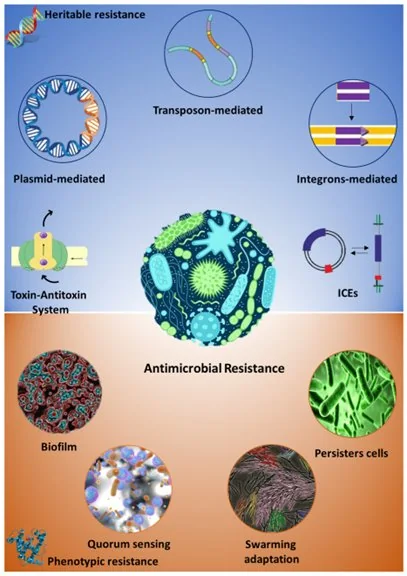
About Antimicrobial resistance (AMR):
- Antimicrobials refers to antibiotics, antivirals, antifungals, and anti-parasitics which are medicines used to prevent and treat infectious diseases in humans, animals and plants.
- Antimicrobial Resistance (AMR) happens when bacteria, viruses, fungi and parasites no longer respond to antimicrobial medicines.
- As a result of drug resistance, antibiotics and other antimicrobial medicines become ineffective and infections become difficult or almost impossible to treat, increasing the risk of disease spread, severe illness, disability and death.
- The global rise in antibiotic resistance poses a significant threat which leads to diminishing the efficacy of common antibiotics against widespread bacterial infections.
- The 2022 Global Antimicrobial Resistance and Use Surveillance System (GLASS) report also highlights alarming resistance rates among prevalent bacterial pathogens.
- Prelims: Key facts, institutions, locations and terminology in the article.
- Mains: Connect the topic with Polity & Governance, Health.
- Revision: Use the article headings to prepare concise notes and answer-writing points.
Test your understanding
Questions from this article
Prelims practiceWith reference to Antimicrobial Resistance, consider the following statements:
- Recently, the Union Health Ministry has called on doctors in medical colleges and medical associations to make it mandatory to mention the indication and reason for prescribing antibiotics to patients.
- Director General of Health Services has also urged pharmacists to strictly follow the Drugs and Cosmetics Rules and also to refrain from selling antibiotics without a prescription from a qualified doctor.
- The letter addressed to all doctors of medical colleges and medical associations emphasized that antimicrobial resistance (AMR) is a major global public health threat.
Which of the statements given above are correct?
- 1 and 2 only
- 2 and 3 only
- 1 and 3 only
- 1, 2 and 3
View answer
Answer: (d) 1, 2 and 3. All three statements are drawn from the article.
Mains practiceDiscuss the background, key issues and significance of Antimicrobial Resistance for India.
Answer in 250 words.
View answer approach
- Context:
- About Antimicrobial resistance (AMR):
- Background and context
- Key facts and institutional framework
- Significance and way forward
Frequently asked questionsFrequently asked questions
Why is Antimicrobial Resistance in the news?
Context: Recently, the Union Health Ministry has called on doctors in medical colleges and medical associations to make it mandatory to mention the indication and reason for prescribing antibiotics to patients. Director General of Health Services has also urged pharmacists to strictly follow the Drugs and Cosmetics Rules and also to refrain from selling antibiotics without a prescription from a qualified doctor.
What are the key facts about Antimicrobial Resistance?
The letter addressed to all doctors of medical colleges and medical associations emphasized that antimicrobial resistance (AMR) is a major global public health threat. In the year 2019 alone AMR was responsible for approximately 1.27 million deaths worldwide, with an additional 4.95 million deaths associated with drug-resistant infections. About Antimicrobial resistance (AMR): Antimicrobials refers to antibiotics, antivirals, antifungals, and anti-parasitics which are medicines used to prevent and treat infectious diseases in humans, animals and plants.
Why is Antimicrobial Resistance important for UPSC preparation?
The topic connects current developments with Polity & Governance, Health and is relevant for both objective revision and analytical answer writing.