UPSC Current Affairs
White Phosphorus
Context: Human Rights Watch recently accused Israel of using white phosphorus munitions in Gaza, and said that such weapons put civilians at risk of serious and longterm injury. In the 2008-2009 Gaza War too, there were allegations that the Israel Defense Forces (IDF) struck the Gaza Strip with submunitions containing white phosphorus. The Israeli government, which initially denied this, later acknowledged that it did use white phosphorus in 2009, but only in uninhabitable areas, for the purpose of signalling and marking.
VRAuthor Desk
2 min read
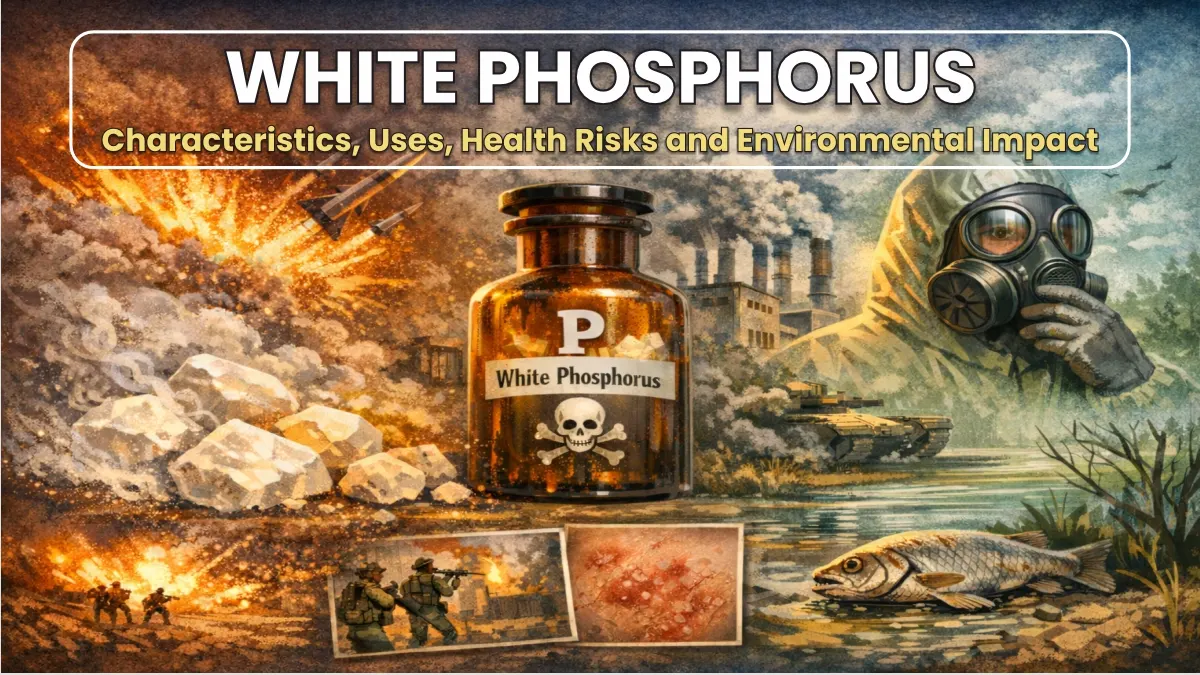
Context: Human Rights Watch recently accused Israel of using white phosphorus munitions in Gaza, and said that such weapons put civilians at risk of serious and longterm injury. In the 2008-2009 Gaza War too, there were allegations that the Israel Defense Forces (IDF) struck the Gaza Strip with submunitions containing white phosphorus. The Israeli government, which initially denied this, later acknowledged that it did use white phosphorus in 2009, but only in uninhabitable areas, for the purpose of signalling and marking.
Context:
- Human Rights Watch recently accused Israel of using white phosphorus munitions in Gaza, and said that such weapons put civilians at risk of serious and longterm injury.
- In the 2008-2009 Gaza War too, there were allegations that the Israel Defense Forces (IDF) struck the Gaza Strip with submunitions containing white phosphorus.
- The Israeli government, which initially denied this, later acknowledged that it did use white phosphorus in 2009, but only in uninhabitable areas, for the purpose of signalling and marking.
About white phosphorus:
- White phosphorus is a chemical waxy solid substance typically appearing yellowish or colourless, and some have described its odour as resembling garlic.
- It ignites instantly upon contact with oxygen. It is often used by militaries to illuminate battlefields, generate a smokescreen and as an incendiary.
- Once ignited, white phosphorus is very difficult to extinguish. It sticks to surfaces like skin and clothing.
- White phosphorus is harmful by all routes of exposure.
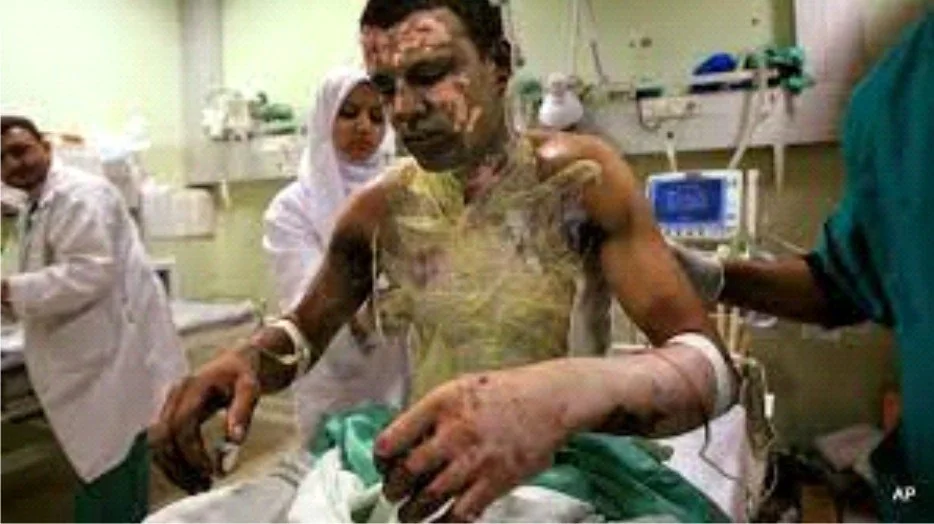
- White phosphorus can cause deep and severe burns, penetrating even through bone, and has been known to reignite after initial treatment. After exposure, the priority is to stop the burning process.
- The smoke from burning phosphorus is also harmful to the eyes and respiratory tract due to the presence of phosphoric acids and phosphine.
- The Convention on Certain Conventional Weapons (CCW) imposes restrictions on the use of incendiary weapons, including white phosphorus, with the aim of safeguarding civilians.
- In addition, white phosphorus use is subject to the rules and principles of international humanitarian law, which aims to minimise harm to both civilians and combatants in armed conflicts.
- The Chemical Weapons Convention (CWC) is a treaty that establishes a comprehensive ban on the use of chemical weapons.
- White phosphorus, although a chemical agent and toxic, is not covered by the CWC.
- When employed as an incendiary weapon and not for chemical warfare, white phosphorus falls under the regulations of Protocol III of the CCW.
- However, Protocol III does not effectively regulate multipurpose munitions such as those containing white phosphorus, which can cause harm in the same way as the incendiary weapons it defines.
Syllabus: Prelims
- Prelims: Key facts, institutions, locations and terminology in the article.
- Mains: Connect the topic with Polity & Governance.
- Revision: Use the article headings to prepare concise notes and answer-writing points.
Test your understanding
Questions from this article
Prelims practiceWith reference to White Phosphorus, consider the following statements:
- Human Rights Watch recently accused Israel of using white phosphorus munitions in Gaza, and said that such weapons put civilians at risk of serious and longterm injury.
- In the 2008-2009 Gaza War too, there were allegations that the Israel Defense Forces (IDF) struck the Gaza Strip with submunitions containing white phosphorus.
- The Israeli government, which initially denied this, later acknowledged that it did use white phosphorus in 2009, but only in uninhabitable areas, for the purpose of signalling and marking.
Which of the statements given above are correct?
- 1 and 2 only
- 2 and 3 only
- 1 and 3 only
- 1, 2 and 3
View answer
Answer: (d) 1, 2 and 3. All three statements are drawn from the article.
Mains practiceDiscuss the background, key issues and significance of White Phosphorus for India.
Answer in 250 words.
View answer approach
- Context:
- About white phosphorus:
- Background and context
- Key facts and institutional framework
- Significance and way forward
Frequently asked questionsFrequently asked questions
Why is White Phosphorus in the news?
Context: Human Rights Watch recently accused Israel of using white phosphorus munitions in Gaza, and said that such weapons put civilians at risk of serious and longterm injury. In the 2008-2009 Gaza War too, there were allegations that the Israel Defense Forces (IDF) struck the Gaza Strip with submunitions containing white phosphorus.
What are the key facts about White Phosphorus?
The Israeli government, which initially denied this, later acknowledged that it did use white phosphorus in 2009, but only in uninhabitable areas, for the purpose of signalling and marking. About white phosphorus: White phosphorus is a chemical waxy solid substance typically appearing yellowish or colourless, and some have described its odour as resembling garlic. It ignites instantly upon contact with oxygen.
Why is White Phosphorus important for UPSC preparation?
The topic connects current developments with Polity & Governance and is relevant for both objective revision and analytical answer writing.