UPSC Current Affairs
RBI's Unified Lending Interface (ULI)
RBI Governor Shaktikanta Das introduced the Unified Lending Interface (ULI), a digital platform designed to modernize and streamline the lending process in India, inspired by the success of the Unified Payments Interface (UPI). The Unified Lending Interface (ULI) is a digital platform aimed at enhancing credit delivery by providing a seamless and consent-based flow of data. It will integrate various data sources—such as government records, credit bureaus, and banks—into a single platform, facilitating easier and faster credit appraisals.
VRAuthor Desk
2 min read
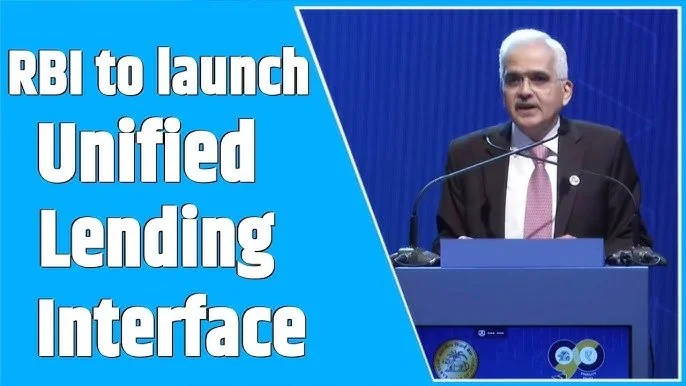
RBI Governor Shaktikanta Das introduced the Unified Lending Interface (ULI), a digital platform designed to modernize and streamline the lending process in India, inspired by the success of the Unified Payments Interface (UPI). The Unified Lending Interface (ULI) is a digital platform aimed at enhancing credit delivery by providing a seamless and consent-based flow of data. It will integrate various data sources—such as government records, credit bureaus, and banks—into a single platform, facilitating easier and faster credit appraisals.
RBI Governor Shaktikanta Das introduced the Unified Lending Interface (ULI), a digital platform designed to modernize and streamline the lending process in India, inspired by the success of the Unified Payments Interface (UPI).
WHAT IS ULI?
The Unified Lending Interface (ULI) is a
digital platform aimed at enhancing credit delivery by
providing a seamless and consent-based flow of data.
It will
integrate various data sources—such as
government records, credit bureaus, and banks—into a single platform, facilitating easier and faster credit appraisals.
CURRENT STATUS: ULI is in the
pilot phase, launched in August of the previous year, which aimed to test the platform's effectiveness and refine its functionalities
.
KEY FEATURES
- Seamless Data Integration: ULI will centralize financial and non-financial data that is currently fragmented across different systems.
- Standardized APIs: Designed for a “plug and play” approach ( Which means: The system uses easy-to-connect APIs that make it simple to link up with other systems and data sources), ULI will use standardized APIs to streamline integration with existing systems, reducing complexity and documentation.
- Focus on Inclusion: The platform will especially benefit smaller and rural borrowers, addressing the credit needs of sectors like agriculture and MSMEs.
- Data Privacy and Security: The platform will incorporate measures to ensure the privacy and security of sensitive financial and personal information.
SIGNIFICANCE
ULI is expected to significantly impact India’s financial infrastructure, enhancing credit accessibility and efficiency, much like UPI transformed digital payments. It will integrate with the existing
JAM (Jan Dhan, Aadhaar, Mobile) framework, creating a robust digital financial ecosystem.
Additional Considerations:
- Stakeholders: Banks, fintech firms, and government bodies will play key roles in implementing and supporting ULI.
- Global Context: Understanding how ULI might align with or differ from international lending platforms could offer valuable insights.
- Prelims: Key facts, institutions, locations and terminology in the article.
- Mains: Connect the topic with Economy, Polity & Governance, Science & Technology.
- Revision: Use the article headings to prepare concise notes and answer-writing points.
Test your understanding
Questions from this article
Prelims practiceWith reference to RBI's Unified Lending Interface (ULI), consider the following statements:
- Seamless Data Integration: ULI will centralize financial and non-financial data that is currently fragmented across different systems.
- Standardized APIs: Designed for a “plug and play” approach ( Which means: The system uses easy-to-connect APIs that make it simple to link up with other systems and data sources), ULI will use standardized APIs to…
- Focus on Inclusion: The platform will especially benefit smaller and rural borrowers, addressing the credit needs of sectors like agriculture and MSMEs.
Which of the statements given above are correct?
- 1 and 2 only
- 2 and 3 only
- 1 and 3 only
- 1, 2 and 3
View answer
Answer: (d) 1, 2 and 3. All three statements are drawn from the article.
Mains practiceDiscuss the background, key issues and significance of RBI's Unified Lending Interface (ULI) for India.
Answer in 250 words.
View answer approach
- KEY FEATURES
- Additional Considerations:
- Background and context
- Key facts and institutional framework
- Significance and way forward
Frequently asked questionsFrequently asked questions
Why is Rbi'S Unified Lending Interface (Uli) in the news?
RBI Governor Shaktikanta Das introduced the Unified Lending Interface (ULI), a digital platform designed to modernize and streamline the lending process in India, inspired by the success of the Unified Payments Interface (UPI). The Unified Lending Interface (ULI) is a digital platform aimed at enhancing credit delivery by providing a seamless and consent-based flow of data.
What are the key facts about Rbi'S Unified Lending Interface (Uli)?
It will integrate various data sources—such as government records, credit bureaus, and banks—into a single platform, facilitating easier and faster credit appraisals. CURRENT STATUS: ULI is in the pilot phase, launched in August of the previous year, which aimed to test the platform's effectiveness and refine its functionalities. KEY FEATURES Seamless Data Integration: ULI will centralize financial and non-financial data that is currently fragmented across different systems.
Why is Rbi'S Unified Lending Interface (Uli) important for UPSC preparation?
The topic connects current developments with Economy, Polity & Governance, Science & Technology and is relevant for both objective revision and analytical answer writing.