UPSC Current Affairs
PM AASHA
extended the Pradhan Mantri Annadata Aay Sanrakshan Abhiyan (PM-AASHA) price support scheme until 2025-26, with an outlay of ₹35,000 crore aimed at providing better prices for farmers and managing price volatility of essential commodities. ABOUT PM AASHA Components of PM-AASHA: Price Support Scheme (PSS): Physical procurement of key crops like pulses, oilseeds, and copra by Central Nodal Agencies, with state governments' involvement. NAFED and Food Corporation of India (FCI) will lead procurement efforts.
VRAuthor Desk
2 min read
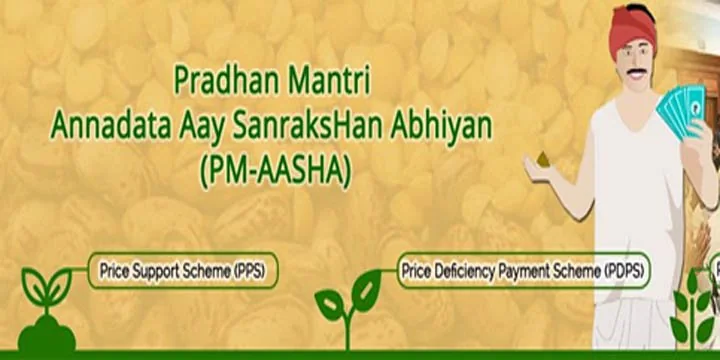
extended the Pradhan Mantri Annadata Aay Sanrakshan Abhiyan (PM-AASHA) price support scheme until 2025-26, with an outlay of ₹35,000 crore aimed at providing better prices for farmers and managing price volatility of essential commodities. ABOUT PM AASHA Components of PM-AASHA: Price Support Scheme (PSS): Physical procurement of key crops like pulses, oilseeds, and copra by Central Nodal Agencies, with state governments' involvement. NAFED and Food Corporation of India (FCI) will lead procurement efforts.
extended the Pradhan Mantri Annadata Aay Sanrakshan Abhiyan (PM-AASHA) price support scheme until 2025-26, with an outlay of ₹35,000 crore aimed at providing better prices for farmers and managing price volatility of essential commodities.
ABOUT PM AASHA
- Components of PM-AASHA:
- Price Support Scheme (PSS): Physical procurement of key crops like pulses, oilseeds, and copra by Central Nodal Agencies, with state governments' involvement.
- NAFED and Food Corporation of India (FCI) will lead procurement efforts.
- Price Deficiency Payment Scheme (PDPS): Direct payments to farmers based on the difference between the Minimum Support Price (MSP) and the selling price of their produce.
- Market Intervention Scheme (MIS): Designed to stabilize prices during market fluctuations.
- Procurement Goals:
- The government plans to procure 25% of national production for key crops starting from the 2024-25 season, maintaining a 100% procurement rate for crops such as tur, urad, and masur.
- Digital Procurement:
- Purchases will be facilitated through digital platforms like e Samridhi and e Samyukti, managed by state agencies
- Buffer Stocks:
- The extension will help build strategic buffer stocks of pulses and onions to manage price swings and curb hoarding.
- Expansion of PDPS:
- Coverage of PDPS will increase to 40% of state oilseed production, enhancing protection for farmers against price drops.
- Transport and Storage Support:
- The government will absorb transport and storage costs for crops like tomatoes, onions, and potatoes during peak harvests to stabilize prices.
FERTILIZER SUBSIDY
- Subsidy Approval: The government approved a ₹24,474.53-crore subsidy for phosphatic and potassic (P&K) fertilizers for the rabi season (October 2024 to March 2025).
- Nutrient-Based Subsidy (NBS): Governed by the NBS scheme since April 2010, this subsidy will help farmers amid rising global fertilizer prices.
- Government Statement: The subsidy aims to relieve farmers facing increased costs due to international price trends.
RELATED DEVELOPMENTS & ROLE OF NAFED
- The government is considering lifting the ban on non-basmati rice exports, which has been in place since July 2023 to ensure domestic supply.
Role of NAFED
- NAFED: An apex organization under the Ministry of Agriculture, it facilitates marketing cooperatives for agricultural produce, promoting storage, processing, and trading activities for agricultural products.
- Prelims: Key facts, institutions, locations and terminology in the article.
- Mains: Connect the topic with Economy, Polity & Governance, Science & Technology.
- Revision: Use the article headings to prepare concise notes and answer-writing points.
Test your understanding
Questions from this article
Prelims practiceWith reference to PM AASHA, consider the following statements:
- Components of PM-AASHA: Price Support Scheme (PSS): Physical procurement of key crops like pulses, oilseeds, and copra by Central Nodal Agencies, with state governments' involvement. NAFED and Food Corporation of India…
- Price Support Scheme (PSS): Physical procurement of key crops like pulses, oilseeds, and copra by Central Nodal Agencies, with state governments' involvement.
- NAFED and Food Corporation of India (FCI) will lead procurement efforts.
Which of the statements given above are correct?
- 1 and 2 only
- 2 and 3 only
- 1 and 3 only
- 1, 2 and 3
View answer
Answer: (d) 1, 2 and 3. All three statements are drawn from the article.
Mains practiceDiscuss the background, key issues and significance of PM AASHA for India.
Answer in 250 words.
View answer approach
- ABOUT PM AASHA
- FERTILIZER SUBSIDY
- RELATED DEVELOPMENTS & ROLE OF NAFED
Frequently asked questionsFrequently asked questions
Why is Pm Aasha in the news?
extended the Pradhan Mantri Annadata Aay Sanrakshan Abhiyan (PM-AASHA) price support scheme until 2025-26, with an outlay of ₹35,000 crore aimed at providing better prices for farmers and managing price volatility of essential commodities. ABOUT PM AASHA Components of PM-AASHA: Price Support Scheme (PSS): Physical procurement of key crops like pulses, oilseeds, and copra by Central Nodal Agencies, with state governments' involvement.
What are the key facts about Pm Aasha?
NAFED and Food Corporation of India (FCI) will lead procurement efforts. Price Deficiency Payment Scheme (PDPS): Direct payments to farmers based on the difference between the Minimum Support Price (MSP) and the selling price of their produce. Market Intervention Scheme (MIS): Designed to stabilize prices during market fluctuations.
Why is Pm Aasha important for UPSC preparation?
The topic connects current developments with Economy, Polity & Governance, Science & Technology and is relevant for both objective revision and analytical answer writing.