UPSC Current Affairs
Pakistan Bans Pashtun Tahafuz Movement
The Pakistan government recently banned the Pashtun Tahafuz Movement (PTM), a group advocating for the rights of ethnic Pashtuns. The ban, enacted under Section 11B of the Anti-Terrorism Act 1997, is justified by the government as necessary for national security. RATIONALE OF THE BAN (BY GOVERNMENT) Notification: Govt.
VRAuthor Desk
2 min read
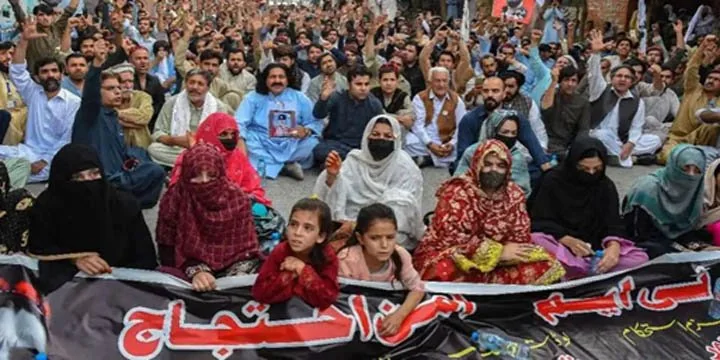
The Pakistan government recently banned the Pashtun Tahafuz Movement (PTM), a group advocating for the rights of ethnic Pashtuns. The ban, enacted under Section 11B of the Anti-Terrorism Act 1997, is justified by the government as necessary for national security. RATIONALE OF THE BAN (BY GOVERNMENT) Notification: Govt.
The Pakistan government recently
banned the
Pashtun Tahafuz Movement (PTM), a group advocating for the rights of ethnic Pashtuns.
The ban,
enacted under Section 11B of the Anti-Terrorism Act 1997, is justified by the government as necessary for national security.
RATIONALE OF THE BAN (BY GOVERNMENT)
- Notification: Govt. cited reasons for the ban, stating that PTM activities were deemed prejudicial to the peace and security of the country.
- Allegations: Authorities claim the PTM is linked to anti-state elements, particularly those operating from Afghanistan.
BACKGROUND OF PTM
- Leadership: Led by Manzoor Pashteen, the PTM emerged from the Mahsud Tahafuz Movement in 2014, initially focusing on landmine removal in Waziristan.
- Rise to Prominence: Gained attention in January 2018 after advocating for justice in the killing of Naqeebullah Mehsud, a Pashtun who was allegedly killed in a police encounter.
- Critique of Armed Forces: The PTM has been vocal in criticizing the Pakistan military for issues affecting the Pashtun population in the tribal regions.
ABOUT PASHTUNS
- Ethnic Group: Pashtuns, also known as Pathans or Pakhtuns, are predominantly found in Afghanistan and Pakistan, with a significant population along the Durand Line, which separates the two countries.
- Demographics: They make up 40-50% of Afghanistan's population and are united by the Pashto language, along with shared cultural and social norms (Pashtunwali).
- Occupation: Many Pashtuns are engaged in agriculture and animal husbandry, with others serving in the military or holding political positions.
IMPLICATIONS OF THE BAN
- National Security vs. Ethnic Rights: The ban raises concerns about the government's approach to handling ethnic rights movements and its implications for national unity and stability.
- Potential for Increased Tensions: The PTM’s history of activism and criticism of the military suggests that the ban could exacerbate tensions between the Pashtun community and the state.
- Prelims: Key facts, institutions, locations and terminology in the article.
- Mains: Connect the topic with Defence, Polity & Governance.
- Revision: Use the article headings to prepare concise notes and answer-writing points.
Test your understanding
Questions from this article
Prelims practiceWith reference to Pakistan Bans Pashtun Tahafuz Movement, consider the following statements:
- Notification: Govt. cited reasons for the ban, stating that PTM activities were deemed prejudicial to the peace and security of the country.
- Allegations: Authorities claim the PTM is linked to anti-state elements, particularly those operating from Afghanistan.
- Leadership: Led by Manzoor Pashteen, the PTM emerged from the Mahsud Tahafuz Movement in 2014, initially focusing on landmine removal in Waziristan.
Which of the statements given above are correct?
- 1 and 2 only
- 2 and 3 only
- 1 and 3 only
- 1, 2 and 3
View answer
Answer: (d) 1, 2 and 3. All three statements are drawn from the article.
Mains practiceDiscuss the background, key issues and significance of Pakistan Bans Pashtun Tahafuz Movement for India.
Answer in 250 words.
View answer approach
- RATIONALE OF THE BAN (BY GOVERNMENT)
- BACKGROUND OF PTM
- ABOUT PASHTUNS
- IMPLICATIONS OF THE BAN
Frequently asked questionsFrequently asked questions
Why is Pakistan Bans Pashtun Tahafuz Movement in the news?
The Pakistan government recently banned the Pashtun Tahafuz Movement (PTM), a group advocating for the rights of ethnic Pashtuns. The ban, enacted under Section 11B of the Anti-Terrorism Act 1997, is justified by the government as necessary for national security.
What are the key facts about Pakistan Bans Pashtun Tahafuz Movement?
RATIONALE OF THE BAN (BY GOVERNMENT) Notification: Govt. cited reasons for the ban, stating that PTM activities were deemed prejudicial to the peace and security of the country. Allegations: Authorities claim the PTM is linked to anti-state elements, particularly those operating from Afghanistan.
Why is Pakistan Bans Pashtun Tahafuz Movement important for UPSC preparation?
The topic connects current developments with Defence, Polity & Governance and is relevant for both objective revision and analytical answer writing.