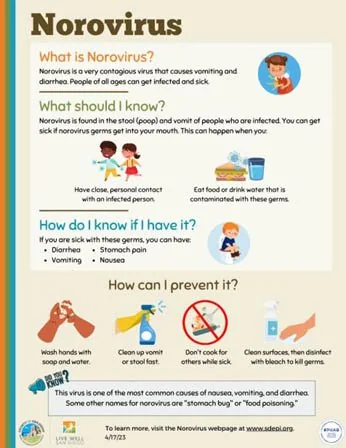
- In December 2024, A significant surge in norovirus outbreaks was observed across parts of the United States this winter, with an uptick in cases reported by the Centers for Disease Control and Prevention (CDC).
- As the winter months started, the number of norovirus cases has surged, notably since early December, prompting concerns about the spread of this highly contagious stomach virus.
RECENT SURGE
- According to the CDC, there was a notable increase in norovirus outbreaks reported during the week of December 5, 2024.
- The number of outbreaks surged to 91, up from 69 outbreaks the week before, marking a 25% increase.
- Historically, the first week of December has seen fewer than 65 outbreaks, making this rise particularly concerning.
- This increase in cases signals that the virus is spreading across the country, especially as outbreaks are common during the winter months, typically peaking between November and April.
- Outbreak Statistics: On average, the S. sees about 2,500 norovirus outbreaks annually.
- These outbreaks are most common in congregate settings such as cruise ships, nursing homes, schools, and correctional facilities, where individuals are in close proximity to one another.
SYMPTOMS OF NOROVIRUS
Norovirus is the leading cause of
foodborne illness in the
U.S., accounting for approximately 58% of food-related infections each year, according to CDC data. It is
highly contagious, and
even a small number of viral particles—sometimes as few as
10—are enough to cause illness.
Symptoms of Norovirus:
The
symptoms of norovirus typically manifest within
12 to 48 hours after exposure to the virus and include:
- Sudden onset of vomiting
- Diarrhea
- Nausea
- Stomach pain and cramping
- Body aches
- Headache
- Fever
In most cases, the illness lasts for
1 to 3 days, and people typically recover without requiring medical intervention. However, the virus can still lead to
serious health complications such as dehydration, especially in
vulnerable populations.
TRANSMISSION
Norovirus is known for its
highly contagious nature. The virus spreads through several methods:
- Person-to-person contact: The virus spreads easily when infected individuals come into close contact with others, such as through shared food, utensils, or close interactions.
- Contaminated surfaces and objects: Norovirus can survive on surfaces for days, making it easy to spread through touching contaminated objects like doorknobs, countertops, and handrails.
- Contaminated food or water: The virus can be transmitted through food and water that has been contaminated by infected individuals.
Outbreaks are particularly common in
closed environments like
cruise ships,
schools,
nursing homes, and
correctional facilities, where people are in close quarters and the virus can spread rapidly.
WHO IS AT RISK?
While norovirus can affect anyone, certain groups are more vulnerable to
severe illness, particularly those who are prone to
dehydration:
- Older adults (aged 65 and above) are more likely to experience severe dehydration and complications.
- Young children and infants are at higher risk for dehydration due to their smaller body size and greater fluid turnover.
- Individuals with weakened immune systems, such as those undergoing cancer treatment or with chronic illnesses, are also at higher risk for complications.
The most significant health concern for those infected with norovirus is
dehydration caused by vomiting and diarrhea, which can lead to
serious health issues if left untreated.
HOW TO MANAGE SICKNESS?
There is no
specific antiviral treatment for norovirus, so managing the symptoms involves focusing on
rehydration to prevent dehydration. The CDC recommends the following:
- Hydration:
- Drink fluids like water, oral rehydration solutions (ORS), and clear broths to replenish lost fluids.
- Avoid drinks like coffee, tea, and alcohol, which can worsen dehydration.
- Seek medical attention if symptoms of severe dehydration These symptoms include:
- Decreased urination
- Dry mouth and throat
- Dizziness or lightheadedness
- Fatigue or weakness
- For children: unusual sleepiness, fussiness, or crying with little or no tears.
If these symptoms are severe, it’s important to seek medical care immediately, as dehydration can be life-threatening, especially for children and elderly individuals.
Test your understanding
Questions from this article
Prelims practiceWith reference to Norovirus, consider the following statements:
- In December 2024, A significant surge in norovirus outbreaks was observed across parts of the United States this winter, with an uptick in cases reported by the Centers for Disease Control and Prevention (CDC).
- As the winter months started, the number of norovirus cases has surged, notably since early December, prompting concerns about the spread of this highly contagious stomach virus.
- According to the CDC, there was a notable increase in norovirus outbreaks reported during the week of December 5, 2024.
Which of the statements given above are correct?
- 1 and 2 only
- 2 and 3 only
- 1 and 3 only
- 1, 2 and 3
View answer
Answer: (d) 1, 2 and 3. All three statements are drawn from the article.
Mains practiceDiscuss the background, key issues and significance of Norovirus for India.
Answer in 250 words.
View answer approach
- RECENT SURGE
- SYMPTOMS OF NOROVIRUS
- Background and context
- Key facts and institutional framework
- Significance and way forward
Frequently asked questionsFrequently asked questions
Why is Norovirus in the news?
In December 2024, A significant surge in norovirus outbreaks was observed across parts of the United States this winter, with an uptick in cases reported by the Centers for Disease Control and Prevention (CDC). As the winter months started, the number of norovirus cases has surged, notably since early December, prompting concerns about the spread of this highly contagious stomach virus.
What are the key facts about Norovirus?
RECENT SURGE According to the CDC, there was a notable increase in norovirus outbreaks reported during the week of December 5, 2024. The number of outbreaks surged to 91, up from 69 outbreaks the week before, marking a 25% increase. Historically, the first week of December has seen fewer than 65 outbreaks, making this rise particularly concerning.
Why is Norovirus important for UPSC preparation?
The topic connects current developments with Economy, Polity & Governance, Health and is relevant for both objective revision and analytical answer writing.