UPSC Current Affairs
National Epilepsy Day
National Epilepsy Day is observed every year in India on November 17. The day is dedicated to raising awareness about epilepsy, its symptoms, and the challenges faced by those affected by the disease. It also emphasizes the importance of early diagnosis and treatment.
VRAuthor Desk
3 min read
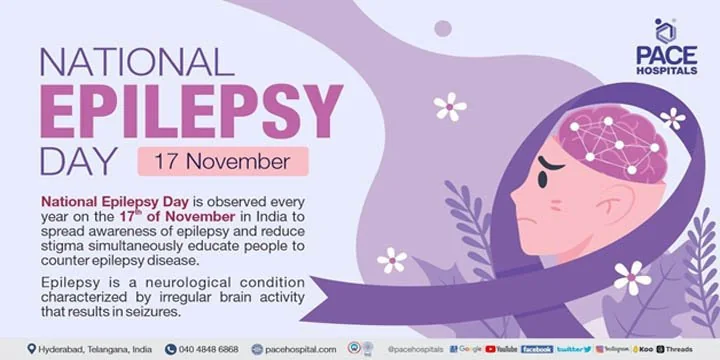
National Epilepsy Day is observed every year in India on November 17. The day is dedicated to raising awareness about epilepsy, its symptoms, and the challenges faced by those affected by the disease. It also emphasizes the importance of early diagnosis and treatment.
- National Epilepsy Day is observed every year in India on November 17.
- The day is dedicated to raising awareness about epilepsy, its symptoms, and the challenges faced by those affected by the disease.
- It also emphasizes the importance of early diagnosis and treatment.
- Epilepsy is a brain disease where nerve cells don't signal properly, which causes seizures.
- Seizures are uncontrolled bursts of electrical activities that change sensations, behaviors, awareness and muscle movements.
- Although epilepsy can't be cured, many treatment options are available.
HISTORY OF NATIONAL EPILEPSY DAY
National Epilepsy Day was established to
highlight the difficulties faced by people suffering from epilepsy. The day gained
significance in India thanks to the efforts of health organizations such as the Epilepsy Foundation and other advocacy groups.
- Initiation: The day was initiated by the Epilepsy Foundation of India, which was founded by Nirmal Surya in Mumbai in 2009.
- Global Impact: According to the World Health Organization (WHO), nearly 50 million people around the world suffer from epilepsy, with India contributing to 10-20 percent of that global total.
COMMON SIGNS & SYMPTOMS OF EPILEPSY
Epilepsy is
primarily marked by seizures that affect brain function. The most common symptoms include:
- Loss of Awareness: A person may experience a temporary loss of awareness, leading to a blank stare, confusion, or unresponsiveness.
- Uncontrollable Movements: The person may experience jerking or muscle contractions that cannot be controlled.
- Cognitive Disruptions: These can include slowed thinking, confusion, or difficulty concentrating.
- Sensory Disturbances: Some may experience altered sensory perceptions, such as dizziness, nausea, or feeling a sense of fear.
- Psychic Symptoms: In some cases, individuals might feel intense emotions such as overwhelming fear, or experience hallucinations.
TYPES OF EPILEPTIC SEIZURES
Epileptic seizures can be categorized into two primary types:
Focal Onset Seizures and
Generalized Onset Seizures.
1. Focal Onset Seizures:
These seizures start in one specific area of the brain.
There are two types:
- Focal Onset Aware Seizure: The person remains conscious but may experience involuntary movements or sensations.
- Focal Onset Impaired Awareness Seizure: The person may lose consciousness or awareness during the seizure.
2. Generalized Onset Seizures:
These seizures involve both sides of the brain and can be
further divided into six types:
- Absence Seizures: A brief period of staring or unresponsiveness.
- Atonic Seizures: A sudden loss of muscle strength, leading to a person collapsing or falling.
- Tonic Seizures: Muscle stiffening that can cause the person to fall or be unable to move.
- Clonic Seizures: Repetitive jerking movements.
- Tonic-clonic Seizures: A combination of stiffening and jerking movements, often called a "grand mal" seizure.
- Myoclonic Seizures: Sudden, brief jerks or twitches, often affecting the arms or legs.
PREVENTION TIPS FOR EPILEPSY
While
epilepsy cannot always be prevented, there are
several ways to manage the condition and reduce the likelihood of seizures:
- Take Medicines on Time:
- Medication is crucial in managing epilepsy.
- People with epilepsy should take their prescribed medication on time and follow their doctor’s advice.
- Regular visits to a neurologist are important to help control seizures.
- Get Enough Sleep:
- Sleep deprivation can trigger seizures.
- It is important to maintain a regular sleep schedule and get sufficient rest to minimize the risk of seizures.
- Avoid Caffeine:
- Caffeine can act as a trigger for some people with epilepsy.
- Foods and drinks like coffee, energy drinks, and soda contain caffeine, and these should be limited or avoided.
- Stay Hydrated:
- Dehydration can lead to various health issues, including seizures.
- It is important for individuals with epilepsy to drink plenty of water throughout the day.
- Avoid Flickering Lights:
- Certain types of flashing or flickering lights can trigger seizures, especially in children.
- Individuals with epilepsy should avoid exposure to flashing lights from television screens, computer monitors, or mobile phones.
- Prelims: Key facts, institutions, locations and terminology in the article.
- Mains: Connect the topic with Economy, Polity & Governance, Health.
- Revision: Use the article headings to prepare concise notes and answer-writing points.
Test your understanding
Questions from this article
Prelims practiceWith reference to National Epilepsy Day, consider the following statements:
- National Epilepsy Day is observed every year in India on November 17.
- The day is dedicated to raising awareness about epilepsy, its symptoms, and the challenges faced by those affected by the disease.
- It also emphasizes the importance of early diagnosis and treatment.
Which of the statements given above are correct?
- 1 and 2 only
- 2 and 3 only
- 1 and 3 only
- 1, 2 and 3
View answer
Answer: (d) 1, 2 and 3. All three statements are drawn from the article.
Mains practiceDiscuss the background, key issues and significance of National Epilepsy Day for India.
Answer in 250 words.
View answer approach
- There are two types:
- further divided into six types:
- Note:
Frequently asked questionsFrequently asked questions
Why is National Epilepsy Day in the news?
National Epilepsy Day is observed every year in India on November 17. The day is dedicated to raising awareness about epilepsy, its symptoms, and the challenges faced by those affected by the disease.
What are the key facts about National Epilepsy Day?
It also emphasizes the importance of early diagnosis and treatment. Epilepsy is a brain disease where nerve cells don't signal properly, which causes seizures. Seizures are uncontrolled bursts of electrical activities that change sensations, behaviors, awareness and muscle movements.
Why is National Epilepsy Day important for UPSC preparation?
The topic connects current developments with Economy, Polity & Governance, Health and is relevant for both objective revision and analytical answer writing.