UPSC Current Affairs
India's First Teal Carbon Study Highlights Role Of Wetlands in Climate Adaptation & Resilience
‘teal carbon’ at Keoladeo National Park (KNP) in Bharatpur, Rajasthan. This landmark research shows the importance of wetlands in climate adaptation and resilience. The study highlights how these ecosystems can play a critical role in mitigating climate change if effectively managed.
VRAuthor Desk
3 min read
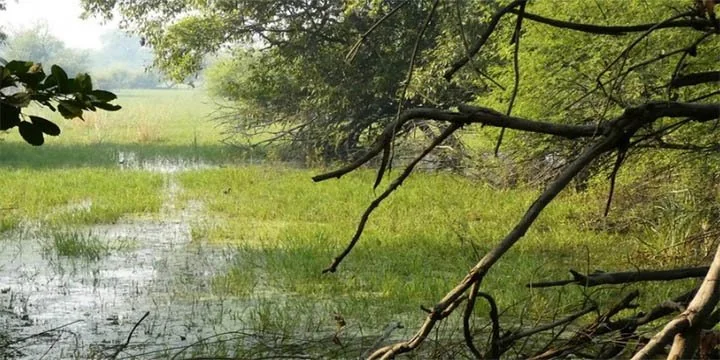
‘teal carbon’ at Keoladeo National Park (KNP) in Bharatpur, Rajasthan. This landmark research shows the importance of wetlands in climate adaptation and resilience. The study highlights how these ecosystems can play a critical role in mitigating climate change if effectively managed.
‘teal carbon’ at
Keoladeo National Park (
KNP) in
Bharatpur, Rajasthan.
A. This landmark research shows the importance of
wetlands in
climate adaptation and
resilience.
B. The study highlights
how these ecosystems can play a critical role in mitigating climate change if effectively managed.
What is Teal Carbon?
- Teal carbon refers to the carbon stored in non-tidal freshwater wetlands. This includes:
- Vegetation: Carbon sequestered in plant life.
- Microbial Biomass: Carbon contained in microorganisms.
- Dissolved and Particulate Organic Matter: Carbon in dissolved and suspended forms within the water.
- Significance:
- These wetlands are crucial for regulating greenhouse gases.
- They have the potential to act as significant carbon sinks but are threatened by various forms of degradation.
STUDY OVERVIEW
- Lead Researcher: Professor and Head of the Department of Environmental Science at Central University of Rajasthan.
- Collaborators:
- Amanda Nahlik from the S. Environmental Protection Agency (EPA).
- Siobhan Fennessy from Kenyon College, Ohio, U.S.
- Objective: The study aimed to develop holistic nature-based solutions to combat climate change and assess the potential of teal carbon in climate adaptation.
KEY FINDINGS
- Elevated Methane Emissions:
- The study found high levels of methane emissions from the wetlands at KNP.
- This highlights the need for effective management strategies to reduce these emissions.
- Use of Biochar:
- The research suggests using a specialized form of biochar (a type of charcoal) to mitigate methane emissions.
- This biochar will require advanced instruments like the LI-COR device for real-time greenhouse gas measurement.
- Conservation Needs:
- Effective conservation efforts are crucial to maintain the wetlands' ability to sequester carbon.
- This includes ensuring adequate water supply and selecting appropriate vegetation.
IMPACT ON CLIMATE ADAPTATION
- Groundwater Recharge: Healthy wetlands contribute to the replenishment of groundwater resources.
- Flood Mitigation: Wetlands can help reduce the impact of floods by absorbing excess water.
- Heat Island Reduction: By maintaining vegetation and water bodies, wetlands can mitigate urban heat islands.
GLOBAL CONTEXT
- Teal Carbon Storage: Globally, teal carbon storage is estimated at 21 petagrams of carbon (PgC). Major contributors include:
- Peatlands: Wetlands where waterlogged conditions prevent the full decomposition of plant material, resulting in peat accumulation.
- Freshwater Swamps and Marshes: Other significant sources of teal carbon storage.
- Comparison: Teal carbon ecosystems are more effective at carbon capture and storage compared to terrestrial forest ecosystems.
CHALLENGES & RECOMMENDATIONS
- Degradation Threats:
- Wetlands are vulnerable to degradation from pollution, land use changes, water extraction, and landscape modifications.
- Immediate conservation efforts are needed to protect these vital ecosystems.
- Biochar Development:
- Research into specialized biochar to mitigate methane emissions is essential.
- Investment in sophisticated monitoring equipment and technologies is crucial for effective management.
- Prelims: Key facts, institutions, locations and terminology in the article.
- Mains: Connect the topic with Environment, Economy, Polity & Governance.
- Revision: Use the article headings to prepare concise notes and answer-writing points.
Test your understanding
Questions from this article
Prelims practiceWith reference to India's First Teal Carbon Study Highlights Role Of Wetlands in Climate Adaptation & Resilience, consider the following statements:
- Teal carbon refers to the carbon stored in non-tidal freshwater wetlands. This includes: Vegetation: Carbon sequestered in plant life. Microbial Biomass: Carbon contained in microorganisms. Dissolved and Particulate…
- Vegetation: Carbon sequestered in plant life.
- Microbial Biomass: Carbon contained in microorganisms.
Which of the statements given above are correct?
- 1 and 2 only
- 2 and 3 only
- 1 and 3 only
- 1, 2 and 3
View answer
Answer: (d) 1, 2 and 3. All three statements are drawn from the article.
Mains practiceDiscuss the background, key issues and significance of India's First Teal Carbon Study Highlights Role Of Wetlands in Climate Adaptation & Resilience for India.
Answer in 250 words.
View answer approach
- What is Teal Carbon?
- STUDY OVERVIEW
- KEY FINDINGS
- IMPACT ON CLIMATE ADAPTATION
- GLOBAL CONTEXT
Frequently asked questionsFrequently asked questions
Why is India'S First Teal Carbon Study Highlights Role Of Wetlands In Climate Adaptation & Resilience in the news?
‘teal carbon’ at Keoladeo National Park (KNP) in Bharatpur, Rajasthan. This landmark research shows the importance of wetlands in climate adaptation and resilience.
What are the key facts about India'S First Teal Carbon Study Highlights Role Of Wetlands In Climate Adaptation & Resilience?
The study highlights how these ecosystems can play a critical role in mitigating climate change if effectively managed. Teal carbon refers to the carbon stored in non-tidal freshwater wetlands. This includes: Vegetation: Carbon sequestered in plant life.
Why is India'S First Teal Carbon Study Highlights Role Of Wetlands In Climate Adaptation & Resilience important for UPSC preparation?
The topic connects current developments with Environment, Economy, Polity & Governance and is relevant for both objective revision and analytical answer writing.