UPSC Current Affairs
India's Black Carbon Emissions From Kerosene Lamps
Context A recent study has revealed that India's reliance on kerosene-based lamps contributes significantly to black carbon emissions, releasing 12.5 gigagrams (Gg) of this potent climate pollutant annually. This figure accounts for approximately 10% of total residential black carbon emissions, which also include emissions from cooking and heating. KEY FINDINGS Prevalence of Kerosene Use: About 30% of rural households in India depend on kerosene lamps as a secondary light source during power outages, with this figure rising to 70% in eastern regions.
VRAuthor Desk
2 min read
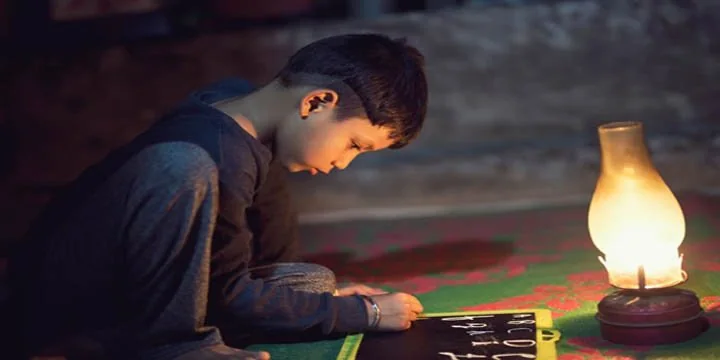
Context A recent study has revealed that India's reliance on kerosene-based lamps contributes significantly to black carbon emissions, releasing 12.5 gigagrams (Gg) of this potent climate pollutant annually. This figure accounts for approximately 10% of total residential black carbon emissions, which also include emissions from cooking and heating. KEY FINDINGS Prevalence of Kerosene Use: About 30% of rural households in India depend on kerosene lamps as a secondary light source during power outages, with this figure rising to 70% in eastern regions.
Context
A
recent study has revealed that India's reliance on kerosene-based lamps contributes significantly to
black carbon emissions, releasing
12.5 gigagrams (Gg) of this potent climate pollutant annually.
This figure accounts for approximately
10% of total residential black carbon emissions, which also include emissions from
cooking and heating.
KEY FINDINGS
- Prevalence of Kerosene Use:
- About 30% of rural households in India depend on kerosene lamps as a secondary light source during power outages, with this figure rising to 70% in eastern regions.
- Regional Emissions:
- The eastern part of India contributes to 60% of the country’s black carbon emissions from secondary light sources, totaling 7.5 Gg.
- Impact of Power Supply:
- Despite efforts to reduce kerosene consumption through initiatives like the Saubhagya scheme, frequent power outages force many households to resort to kerosene lighting.
- Research Methodology:
- Researchers from the Indian Institute of Technology (IIT), Bombay conducted surveys from 2018-2020, visiting 6,000 households to analyze fuel usage patterns and emissions from different lighting devices.
- Types of Kerosene Devices:
- The study identified two main types of kerosene lamps:
- Wick Lamps: Simple, homemade devices.
- Hurricane Lamps: More sophisticated designs.
- Emissions Estimates:
- The emissions factor for black carbon varies significantly among lamp types:
- Flat wick lamps: 190 g/kg of kerosene burnt.
- Wick lamps: 61.4 g/kg.
- Hurricane lamps: 17.2 g/kg.
- Burn rates for these lamps were also measured, showing significant variation based on design.
- Diwali Lighting Emissions:
- The study also examined emissions from traditional Diwali lights, which are commonly powered by sesame or edible oils. These lamps could emit an additional 3 Gg of black carbon during the festival.
- Potential Reductions:
- Switching from kerosene to wax-based lamps could potentially reduce emissions by up to 90%.
ABOUT BLACK CARBON
Commonly referred to as
soot, black carbon is a component of fine particulate air pollution (PM 2.5) formed by the
incomplete combustion of wood, fossil fuels, and other organic materials.
- Climate Impact: Black carbon has a global warming potential 460-1,500 times stronger than CO2, contributing to climate change and altering weather patterns.
- Health Effects: Exposure to black carbon is linked to serious health risks, including heart disease, birth complications, and premature death.
ENVIRONMENTAL & HEALTH IMPACTS
- Atmospheric Warming: Black carbon warms the atmosphere by effectively absorbing light, which alters regional weather patterns and ecosystem cycles.
- Snow and Ice Melt: When deposited on snow and ice, it reduces surface albedo, leading to increased melting and further exacerbating global warming.
- Health Risks: Studies indicate that black carbon exposure significantly raises the risk of cardiovascular and respiratory diseases.
- Prelims: Key facts, institutions, locations and terminology in the article.
- Mains: Connect the topic with Environment, Economy, Polity & Governance.
- Revision: Use the article headings to prepare concise notes and answer-writing points.
Test your understanding
Questions from this article
Prelims practiceWith reference to India's Black Carbon Emissions From Kerosene Lamps, consider the following statements:
- Prevalence of Kerosene Use: About 30% of rural households in India depend on kerosene lamps as a secondary light source during power outages, with this figure rising to 70% in eastern regions.
- About 30% of rural households in India depend on kerosene lamps as a secondary light source during power outages, with this figure rising to 70% in eastern regions.
- Regional Emissions: The eastern part of India contributes to 60% of the country’s black carbon emissions from secondary light sources, totaling 7.5 Gg.
Which of the statements given above are correct?
- 1 and 2 only
- 2 and 3 only
- 1 and 3 only
- 1, 2 and 3
View answer
Answer: (d) 1, 2 and 3. All three statements are drawn from the article.
Mains practiceDiscuss the background, key issues and significance of India's Black Carbon Emissions From Kerosene Lamps for India.
Answer in 250 words.
View answer approach
- KEY FINDINGS
- ENVIRONMENTAL & HEALTH IMPACTS
- Background and context
- Key facts and institutional framework
- Significance and way forward
Frequently asked questionsFrequently asked questions
Why is India'S Black Carbon Emissions From Kerosene Lamps in the news?
Context A recent study has revealed that India's reliance on kerosene-based lamps contributes significantly to black carbon emissions, releasing 12.5 gigagrams (Gg) of this potent climate pollutant annually. This figure accounts for approximately 10% of total residential black carbon emissions, which also include emissions from cooking and heating.
What are the key facts about India'S Black Carbon Emissions From Kerosene Lamps?
KEY FINDINGS Prevalence of Kerosene Use: About 30% of rural households in India depend on kerosene lamps as a secondary light source during power outages, with this figure rising to 70% in eastern regions. Regional Emissions: The eastern part of India contributes to 60% of the country’s black carbon emissions from secondary light sources, totaling 7.5 Gg. Impact of Power Supply: Despite efforts to reduce kerosene consumption through initiatives like the Saubhagya scheme, frequent power outages force many households to resort to kerosene lighting.
Why is India'S Black Carbon Emissions From Kerosene Lamps important for UPSC preparation?
The topic connects current developments with Environment, Economy, Polity & Governance and is relevant for both objective revision and analytical answer writing.