UPSC Current Affairs
Healthcare In India
evolved over a long period of time, influenced by ancient traditions, foreign invasions, and modern developments. HEALTHCARE IN ANCIENT PERIOD Indus Valley Civilization (c. 3300–1300 BCE) Advanced Knowledge: The Indus Valley Civilization, one of the earliest urban civilizations, had a high level of medical knowledge.
VRAuthor Desk
3 min read
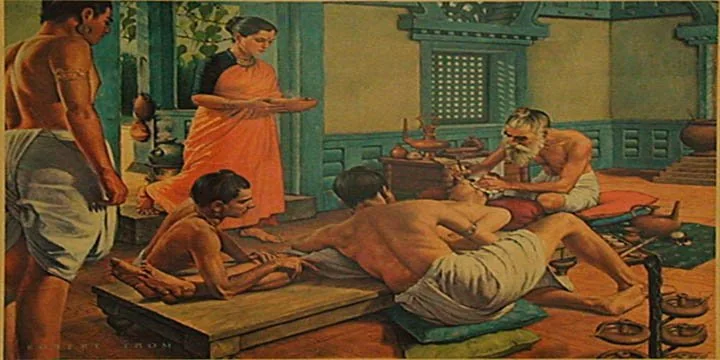
evolved over a long period of time, influenced by ancient traditions, foreign invasions, and modern developments. HEALTHCARE IN ANCIENT PERIOD Indus Valley Civilization (c. 3300–1300 BCE) Advanced Knowledge: The Indus Valley Civilization, one of the earliest urban civilizations, had a high level of medical knowledge.
evolved over a long period of time, influenced by ancient traditions, foreign invasions, and modern developments.
HEALTHCARE IN ANCIENT PERIOD
Indus Valley Civilization (c. 3300–1300 BCE)
- Advanced Knowledge: The Indus Valley Civilization, one of the earliest urban civilizations, had a high level of medical knowledge.
- Archaeological findings, such as surgical instruments and evidence of surgical practices, suggest that they practiced surgery and had an understanding of human anatomy.
- Public Health: The people of the Indus Valley built well-planned cities with drainage systems, which indicates their awareness of sanitation and public health.
The Vedic Period
- Introduction of Ayurveda: During the Vedic period, the Aryans had knowledge of medicine, which was recorded in the Vedas (sacred texts).
- Among these, the Atharva Veda is particularly important as it includes hymns and prayers that describe treatments for various diseases and ways to prevent harm from natural disasters.
- The Ayurveda system of medicine emerged from these texts.
- The word "Ayurveda" comes from two Sanskrit words: 'Ayur' meaning life and 'Veda' meaning knowledge.
- Thus, Ayurveda is the "science of life," focusing on maintaining health and treating disease using natural methods.
- Concept of Health: The Vedic texts emphasized the balance of mind, body, and spirit for good
Key Medical Texts:
-
- Charaka Samhita: One of the most important texts of Ayurveda, which deals with internal medicine and discusses how to maintain good health and treat various diseases.
- Sushruta Samhita: Another foundational Ayurvedic text, written by the ancient physician Sushruta, is considered one of the earliest texts on surgery and the "father of surgery" in India.
- Sushruta made major contributions to surgery, especially in the fields of plastic surgery and surgical instruments.
- He is credited with pioneering procedures like nose reconstruction (a form of plastic surgery) and cataract surgery.
- He described over 300 surgical instruments used in various operations, making him one of the earliest surgeons in history.
Buddhist Period (563–477 BCE)
- Lord Buddha’s Role in Medicine: Lord Buddha himself took a deep interest in the health and well-being of others.
- Hospitals in Monasteries: Buddha’s teachings included caring for the sick, which led to the creation of Buddhist Viharas (monasteries).
- These monasteries were not just centers for meditation but also places where the sick could be cared for. Medical education was an integral part of these centers.
King Ashoka and Hospitals (273–232 BCE)
- Emperor Ashoka’s Contributions: During the reign of Emperor Ashoka, one of India’s greatest rulers, there was a notable effort to establish hospitals and care systems for the people.
- Ashoka built hospitals for the sick, especially to care for the poor and the handicapped.
- These hospitals were among the earliest forms of organized medical care in India.
- Ashoka’s support for health care was significant because it showed a royal commitment to the welfare of the common people, particularly those who could not afford treatment.
AYURVEDA: THE FOUNDATION OF INDIAN TRADITIONAL MEDICINE
The foundation of
Indian traditional medicine, Ayurveda, focuses on achieving a balance between the
body’s three primary energies : Vata, Pitta, and Kapha. Ayurveda uses personalized treatments, including:
- Herbal Remedies: Use of plants and herbs like turmeric, ginger, and neem for medicinal purposes.
- Panchakarma: A therapeutic procedure to cleanse the body of toxins and restore balance.
- Diet and Lifestyle: Ayurveda emphasizes a balanced diet, proper sleep, exercise, and meditation for overall well-being.
Medicinal Plants and Natural Remedies
- Ancient Indian medicine extensively used herbal remedies from plants. India’s vast biodiversity made it a hub for medicinal plants.
- Famous medicinal plants include Ashwagandha, Aloe Vera, Tulsi (Holy Basil), and Neem, all of which are still used in modern Ayurvedic treatments.
- Prelims: Key facts, institutions, locations and terminology in the article.
- Mains: Connect the topic with Environment, Economy, International Relations.
- Revision: Use the article headings to prepare concise notes and answer-writing points.
Test your understanding
Questions from this article
Prelims practiceWith reference to Healthcare In India, consider the following statements:
- Advanced Knowledge: The Indus Valley Civilization, one of the earliest urban civilizations, had a high level of medical knowledge.
- Archaeological findings, such as surgical instruments and evidence of surgical practices, suggest that they practiced surgery and had an understanding of human anatomy.
- Public Health: The people of the Indus Valley built well-planned cities with drainage systems, which indicates their awareness of sanitation and public health.
Which of the statements given above are correct?
- 1 and 2 only
- 2 and 3 only
- 1 and 3 only
- 1, 2 and 3
View answer
Answer: (d) 1, 2 and 3. All three statements are drawn from the article.
Mains practiceDiscuss the background, key issues and significance of Healthcare In India for India.
Answer in 250 words.
View answer approach
- HEALTHCARE IN ANCIENT PERIOD
- Key Medical Texts:
- body’s three primary energies : Vata, Pitta, and Kapha. Ayurveda uses personalized treatments, including:
- Note:
Frequently asked questionsFrequently asked questions
Why is Healthcare In India in the news?
evolved over a long period of time, influenced by ancient traditions, foreign invasions, and modern developments. HEALTHCARE IN ANCIENT PERIOD Indus Valley Civilization (c.
What are the key facts about Healthcare In India?
3300–1300 BCE) Advanced Knowledge: The Indus Valley Civilization, one of the earliest urban civilizations, had a high level of medical knowledge. Archaeological findings, such as surgical instruments and evidence of surgical practices, suggest that they practiced surgery and had an understanding of human anatomy. Public Health: The people of the Indus Valley built well-planned cities with drainage systems, which indicates their awareness of sanitation and public health.
Why is Healthcare In India important for UPSC preparation?
The topic connects current developments with Environment, Economy, International Relations and is relevant for both objective revision and analytical answer writing.