UPSC Current Affairs
GEN Z PROTESTS IN NEPAL
On September 9, 2025, violent protests led by Nepal’s Generation Z erupted in Kathmandu and other cities. The protests turned deadly after the killing of 19 young protesters by police firing Protesters attacked and set fire to government buildings, homes and offices of senior politicians, including five former Prime Ministers. PM K P Sharma Oli resigned, and the government effectively collapsed, creating a constitutional crisis The Nepali Army assumed charge of security, while India and other regional actors expressed concern.
VRAuthor Desk
3 min read
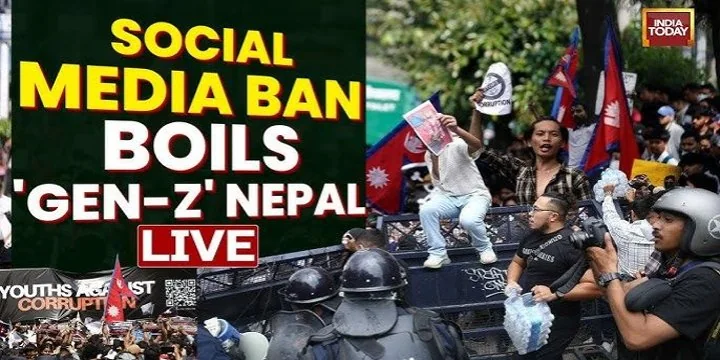
On September 9, 2025, violent protests led by Nepal’s Generation Z erupted in Kathmandu and other cities. The protests turned deadly after the killing of 19 young protesters by police firing Protesters attacked and set fire to government buildings, homes and offices of senior politicians, including five former Prime Ministers. PM K P Sharma Oli resigned, and the government effectively collapsed, creating a constitutional crisis The Nepali Army assumed charge of security, while India and other regional actors expressed concern.
WHY IN NEWS ?
- On September 9, 2025, violent protests led by Nepal’s Generation Z erupted in Kathmandu and other cities.
- The protests turned deadly after the killing of 19 young protesters by police firing
- Protesters attacked and set fire to government buildings, homes and offices of senior politicians, including five former Prime Ministers.
- PM K P Sharma Oli resigned, and the government effectively collapsed, creating a constitutional crisis
- The Nepali Army assumed charge of security, while India and other regional actors expressed concern.
BACKGROUND
- Republic since 2008, Nepal has witnessed frequent political instability with frequent changes in government, factionalism, and rampant corruption.
- No government has completed a full term since the formation of the republic.
- The democratic setup is seen by many young people as being hijacked by corrupt elites.
WHO ARE THE PROTESTORS?
- Protesters primarily belong to Generation Z (born between 1996–2012).
- Mobilised initially through social media platforms such as Next Generation Nepal.
- Voiced anger against:
- Political corruption
- Nepotism ("Nepo Kids/Nepo Babies")
- Unemployment and lack of opportunity
- Social inequality and elite privilege
TRIGGER POINTS OF THE PROTESTS
- Banning of 26 social media platforms, including Facebook, Instagram, YouTube, X, etc., which were the main tools of expression for youth.
- Police firing on peaceful protesters, killing 19 young people on September 8.
- Years of pent-up frustration over systemic corruption and lack of political accountability.
DEMANDS OF THE PROTESTORS
- Immediate restoration of banned social media (partially fulfilled).
- Broad demands include:
- End to corruption and nepotism
- Job creation
- Political accountability
- Transparent governance
SCALE OF VIOLENCE & TARGETS
- Residences and offices attacked:
- Former PMs: K P Sharma Oli, Pushpa Kamal Dahal (Prachanda), Madhav Kumar Nepal, Jhala Nath Khanal, Sher Bahadur Deuba
- Ministers and MPs: Finance Minister Bishnu Paudel, MP Eknath Dhakal (stripped and paraded)
- Nakkhu Jail was set ablaze; RSP leader Rabi Lamichhane was freed by protesters.
- Casualties: At least 19 killed, scores injured. Rajyalaxmi Chitrakar (wife of Khanal) died in the violence.
CURRENT POLITICAL SITUATION
- Prime Minister Oli resigned; President Poudel is under army protection.
- No functioning civilian government.
- Possible interim government may be formed.
- Sushila Karki (Former CJ of Nepal) is the sole choice of Gen Z
- Demands for parliamentary dissolution and new elections gaining ground.
ROLE OF ARMY
- Nepal Army is overseeing security operations.
- Has not assumed direct political power, but may act as a mediator.
- Army Chief General Ashok Raj Sigdel has called for calm and national reconciliation.
OPPOSITION & NEW LEADERS
- Traditional opposition discredited; many of their leaders were also targeted.
- Emerging youth leaders:
- Balen Shah (Kathmandu Mayor, rapper turned politician)
- Rabi Lamichhane (RSP, former journalist)
- Rastriya Prajatantra Party (RPP) considering mass resignation from Parliament.
Role of the Former King
- Former King Gyanendra Shah issued a public message, appealing for peace and national dialogue.
- May re-emerge as a symbolic figure if constitutional talks collapse.
INDIA’S RESPONSE
- India held a high-level security meeting led by PM Narendra Modi.
- Expressed deep concern about Nepal’s instability.
- India has historic ties with:
- Nepali monarchy
- Madhesi population
- Formerly with Nepali Congress, now perceived as allied with Maoists post-2006 peace accord.
- India faces a diplomatic balancing act in the current situation.
IMPLICATIONS FOR INDIA
Strategic:
- Political vacuum could create space for foreign actors, especially China.
- Rise in cross-border instability.
Humanitarian:
- Potential refugee inflows and border security challenges.
Diplomatic:
- India’s soft power influence tested.
- Opportunity to support youth-led democratic transformation.
POTENTIAL OUTCOMES
- Formation of an interim government
- Possible constitutional reform or complete overhaul
- Rise of new political players representing the youth
- Growing demands for transparent governance
- Prelims: Key facts, institutions, locations and terminology in the article.
- Mains: Connect the topic with Economy, International Relations, Polity & Governance.
- Revision: Use the article headings to prepare concise notes and answer-writing points.
Test your understanding
Questions from this article
Prelims practiceWith reference to GEN Z PROTESTS IN NEPAL, consider the following statements:
- On September 9, 2025, violent protests led by Nepal’s Generation Z erupted in Kathmandu and other cities.
- The protests turned deadly after the killing of 19 young protesters by police firing
- Protesters attacked and set fire to government buildings, homes and offices of senior politicians, including five former Prime Ministers.
Which of the statements given above are correct?
- 1 and 2 only
- 2 and 3 only
- 1 and 3 only
- 1, 2 and 3
View answer
Answer: (d) 1, 2 and 3. All three statements are drawn from the article.
Mains practiceDiscuss the background, key issues and significance of GEN Z PROTESTS IN NEPAL for India.
Answer in 250 words.
View answer approach
- WHY IN NEWS ?
- BACKGROUND
- WHO ARE THE PROTESTORS?
- TRIGGER POINTS OF THE PROTESTS
- DEMANDS OF THE PROTESTORS
Frequently asked questionsFrequently asked questions
Why is Gen Z Protests In Nepal in the news?
On September 9, 2025, violent protests led by Nepal’s Generation Z erupted in Kathmandu and other cities. The protests turned deadly after the killing of 19 young protesters by police firing Protesters attacked and set fire to government buildings, homes and offices of senior politicians, including five former Prime Ministers.
What are the key facts about Gen Z Protests In Nepal?
PM K P Sharma Oli resigned, and the government effectively collapsed, creating a constitutional crisis The Nepali Army assumed charge of security, while India and other regional actors expressed concern. BACKGROUND Republic since 2008, Nepal has witnessed frequent political instability with frequent changes in government, factionalism, and rampant corruption. No government has completed a full term since the formation of the republic.
Why is Gen Z Protests In Nepal important for UPSC preparation?
The topic connects current developments with Economy, International Relations, Polity & Governance and is relevant for both objective revision and analytical answer writing.