UPSC Current Affairs
Climate Change Limits Cleanup Efforts By Accelerating Algal Growth
A study led by a researcher from the University of Waterloo has found that climate change is increasing the risk of algal blooms in the River Thames, even though there has been a significant reduction in phosphorus levels over the past 40 years. The study, published in Communications Earth & Environment, analyzed the river's 150-year water quality record to understand the impact of climate change on river health. An algal bloom is a rapid increase in the population of algae in a water body, such as a lake, river, or ocean.
VRAuthor Desk
3 min read
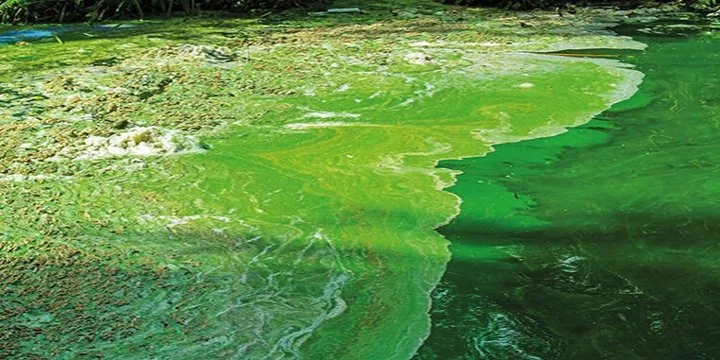
A study led by a researcher from the University of Waterloo has found that climate change is increasing the risk of algal blooms in the River Thames, even though there has been a significant reduction in phosphorus levels over the past 40 years. The study, published in Communications Earth & Environment, analyzed the river's 150-year water quality record to understand the impact of climate change on river health. An algal bloom is a rapid increase in the population of algae in a water body, such as a lake, river, or ocean.
- A study led by a researcher from the University of Waterloo has found that climate change is increasing the risk of algal blooms in the River Thames, even though there has been a significant reduction in phosphorus levels over the past 40 years.
- The study, published in Communications Earth & Environment, analyzed the river's 150-year water quality record to understand the impact of climate change on river health.
WHAT IS AN ALGAL BLOOM?
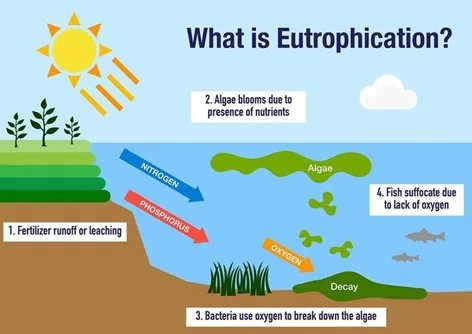
- An algal bloom is a rapid increase in the population of algae in a water body, such as a lake, river, or ocean.
- These blooms can occur when certain environmental conditions, like warm temperatures, excess nutrients (especially phosphorus and nitrogen), and calm waters, promote the growth of algae.
- While some algae are harmless, certain types of algae, such as cyanobacteria (blue-green algae), can be toxic.
- These toxic blooms can harm aquatic life by depleting oxygen levels in the water, suffocating fish and other organisms.
- They can also release harmful toxins that are dangerous to animals and humans, potentially affecting drinking water and recreational activities like swimming or fishing.
- In addition to ecological harm, algal blooms can increase the cost of water treatment and limit the use of water for activities like boating and swimming.
KEY FINDINGS
- Phosphorus Reduction: Over the last 40 years, phosphorus loads in the river have decreased by about 80% due to better wastewater treatment and improved agricultural practices.
- Climate Change Impact: Despite these improvements, rising river temperatures caused by climate change are increasing the likelihood of algal blooms.
- Algal Bloom Types:
- Spring diatom blooms.
- Summer cyanobacterial blooms (toxic).
IMPACTS OF ALGAL BLOOMS
- Shading out and suffocating aquatic life.
- Decreasing oxygen levels in the water as the algae decompose.
- Releasing potentially toxic cyanobacteria.
Economic and Recreational Impacts:
- Algal blooms can increase the cost of drinking water treatment.
- They can also limit recreational activities such as sailing, fishing, and swimming.
PHOSPHOROUS & WATER QUALITY MANAGEMENT
- Phosphorus management remains crucial in preventing algal blooms since algae need phosphorus to grow. Despite the reductions in phosphorus, levels are still high enough to allow algal growth.
- The study suggests that water quality management efforts are not fully effective in the face of rising water temperatures due to climate change.
STUDY SIGNIFICANCE
- The River Thames dataset is the world’s longest continuous water quality record. It offers a detailed history of how human activity and policies have affected the river’s quality.
- The study provides a unique historical perspective on how socio-economic, agricultural, and industrial activities have influenced the river's health.
- The research highlights how climate change is creating new challenges in managing water quality.
CONCLUSION
Despite significant progress in reducing phosphorus pollution in the River Thames, rising water temperatures from climate change are making it harder to manage the risks of algal blooms. This study emphasizes the need for updated water quality management strategies that take into account the impacts of a
warming climate.
- Prelims: Key facts, institutions, locations and terminology in the article.
- Mains: Connect the topic with Environment, Economy, Polity & Governance.
- Revision: Use the article headings to prepare concise notes and answer-writing points.
Test your understanding
Questions from this article
Prelims practiceWith reference to Climate Change Limits Cleanup Efforts By Accelerating Algal Growth, consider the following statements:
- A study led by a researcher from the University of Waterloo has found that climate change is increasing the risk of algal blooms in the River Thames, even though there has been a significant reduction in phosphorus…
- The study, published in Communications Earth & Environment, analyzed the river's 150-year water quality record to understand the impact of climate change on river health.
- An algal bloom is a rapid increase in the population of algae in a water body, such as a lake, river, or ocean.
Which of the statements given above are correct?
- 1 and 2 only
- 2 and 3 only
- 1 and 3 only
- 1, 2 and 3
View answer
Answer: (d) 1, 2 and 3. All three statements are drawn from the article.
Mains practiceDiscuss the background, key issues and significance of Climate Change Limits Cleanup Efforts By Accelerating Algal Growth for India.
Answer in 250 words.
View answer approach
- WHAT IS AN ALGAL BLOOM?
- KEY FINDINGS
- IMPACTS OF ALGAL BLOOMS
- Economic and Recreational Impacts:
- PHOSPHOROUS & WATER QUALITY MANAGEMENT
Frequently asked questionsFrequently asked questions
Why is Climate Change Limits Cleanup Efforts By Accelerating Algal Growth in the news?
A study led by a researcher from the University of Waterloo has found that climate change is increasing the risk of algal blooms in the River Thames, even though there has been a significant reduction in phosphorus levels over the past 40 years. The study, published in Communications Earth & Environment, analyzed the river's 150-year water quality record to understand the impact of climate change on river health.
What are the key facts about Climate Change Limits Cleanup Efforts By Accelerating Algal Growth?
An algal bloom is a rapid increase in the population of algae in a water body, such as a lake, river, or ocean. These blooms can occur when certain environmental conditions, like warm temperatures, excess nutrients (especially phosphorus and nitrogen), and calm waters, promote the growth of algae. While some algae are harmless, certain types of algae, such as cyanobacteria (blue-green algae), can be toxic.
Why is Climate Change Limits Cleanup Efforts By Accelerating Algal Growth important for UPSC preparation?
The topic connects current developments with Environment, Economy, Polity & Governance and is relevant for both objective revision and analytical answer writing.