UPSC Current Affairs
Black Plastic & Health Concerns
black plastic, particularly its potential to release harmful flame retardants into food. This issue has triggered debates on whether everyday items like kitchen utensils and takeout containers made from black plastic pose a health risk. BACKGROUND Black Plastic and Health Risks: Black plastic products, often made from recycled electronics, may contain toxic chemicals.
VRAuthor Desk
3 min read
black plastic, particularly its potential to release harmful flame retardants into food. This issue has triggered debates on whether everyday items like kitchen utensils and takeout containers made from black plastic pose a health risk. BACKGROUND Black Plastic and Health Risks: Black plastic products, often made from recycled electronics, may contain toxic chemicals.
black plastic, particularly its potential to release harmful
flame retardants into food.
This issue has triggered debates on whether everyday items like kitchen utensils and takeout containers made from black plastic pose a health risk.
BACKGROUND
- Black Plastic and Health Risks: Black plastic products, often made from recycled electronics, may contain toxic chemicals. Researchers initially suggested that these plastics could release harmful substances, particularly a flame retardant called BDE-209, into food.
- Revised Study and Correction: After the study's initial findings, researchers corrected their calculations, specifically regarding the chemical BDE-209. This correction raised further questions about the actual safety of black plastic, as doubts lingered over the potential health risks posed by these materials.
WHAT IS BDE-209 aka DecaBDE?
- Chemical Description: BDE-209, also known as Decabromodiphenyl Ether (DecaBDE), is a brominated flame retardant. It consists of a biphenyl structure with 10 bromine atoms.
- Usage: It is commonly used in electronics, fabrics, plastics, and other materials to reduce flammability.
- Environmental and Health Concerns:
- BDE-209 is persistent (does not break down easily in the environment) and bioaccumulates (builds up in organisms over time).
- These properties have led to environmental and health concerns, as BDE-209 can enter the food chain, affecting both ecosystems and human health.
- Due to these concerns, its use has been restricted or phased out in many countries.
WHAT IS BIOACCUMULATION?
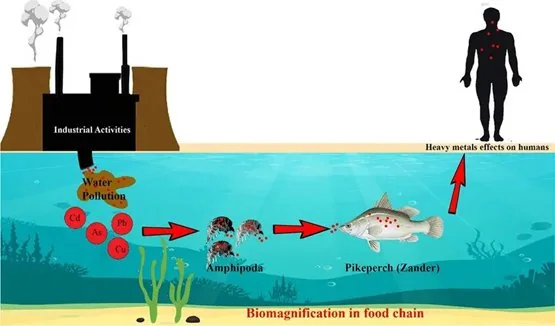
Bioaccumulation is the gradual build-up of chemicals in an organism over time. It occurs when chemicals are absorbed at a faster rate than they can be broken down or excreted by the organism.
How It Occurs:
- Exposure: Chemicals enter the organism through air, water, soil, or food.
- Storage: These chemicals accumulate in the organism's fatty tissues and organs. Examples of Bioaccumulation:
- Toxic chemicals like PCBs, DDT, dioxins, and mercury accumulate in fish and other marine organisms.
- Vitamin A can build up in the livers of carnivores like polar bears, causing toxicity (hypervitaminosis A).
- Effects of Bioaccumulation:
-
- Biomagnification: Chemicals can increase in concentration as they move up the food chain, impacting higher-level predators.
- Chronic Poisoning: Over time, the build-up of chemicals can reach harmful levels, causing toxicity and adverse health effects.
RELATED TERMS:
- Bioconcentration: The accumulation of chemicals from water into an organism.
- Bioaccumulative: Describes chemicals that persist in the environment and organisms, making them prone to bioaccumulation.
WHAT IS BLACK PLASTIC?
- Composition: Black plastic is often made from recycled materials, especially from electronic waste like computers, TVs, and household appliances.
- Harmful Chemicals in Black Plastic:
- Flame Retardants: Such as bromine and antimony, which are used to reduce flammability.
- Heavy Metals: Like lead, cadmium, and mercury, which are toxic at high levels.
- Health Risks:
- While these chemicals are beneficial in electronics, they can be harmful if they leach into everyday items like kitchen tools or food containers, potentially contaminating food or being absorbed through the skin.
INDIA’S REGULATORY RESPONSE TO PLASTIC POLLUTION
India has implemented several measures to combat plastic pollution and its health impacts:
- Single-Use Plastic Ban:
- India has banned the use of identified single-use plastic items to reduce the environmental burden of plastic waste.
- Plastic Waste Management Rules (2016):
- These rules outline a framework for the segregation, collection, recycling, and disposal of plastic waste. They aim to minimize plastic waste and promote sustainability.
- Extended Producer Responsibility (EPR):
- EPR mandates that producers, importers, and brand owners are responsible for the collection and management of plastic waste generated by their products. This shifts the burden of waste management from local authorities to the producers.
CONCLUSION
The concerns over black plastic highlight the ongoing challenges in managing plastic waste, especially when it involves harmful chemicals like BDE-209. While further studies and corrections are ongoing, the broader issue of
bioaccumulation,
plastic pollution, and
health risks remains a critical global concern.
- Prelims: Key facts, institutions, locations and terminology in the article.
- Mains: Connect the topic with Economy, Defence, Polity & Governance.
- Revision: Use the article headings to prepare concise notes and answer-writing points.
Test your understanding
Questions from this article
Prelims practiceWith reference to Black Plastic & Health Concerns, consider the following statements:
- Black Plastic and Health Risks: Black plastic products, often made from recycled electronics, may contain toxic chemicals. Researchers initially suggested that these plastics could release harmful substances…
- Revised Study and Correction: After the study's initial findings, researchers corrected their calculations, specifically regarding the chemical BDE-209. This correction raised further questions about the actual safety of…
- Chemical Description: BDE-209, also known as Decabromodiphenyl Ether (DecaBDE), is a brominated flame retardant. It consists of a biphenyl structure with 10 bromine atoms.
Which of the statements given above are correct?
- 1 and 2 only
- 2 and 3 only
- 1 and 3 only
- 1, 2 and 3
View answer
Answer: (d) 1, 2 and 3. All three statements are drawn from the article.
Mains practiceDiscuss the background, key issues and significance of Black Plastic & Health Concerns for India.
Answer in 250 words.
View answer approach
- BACKGROUND
- WHAT IS BDE-209 aka DecaBDE?
- WHAT IS BIOACCUMULATION?
- RELATED TERMS:
- WHAT IS BLACK PLASTIC?
Frequently asked questionsFrequently asked questions
Why is Black Plastic & Health Concerns in the news?
black plastic, particularly its potential to release harmful flame retardants into food. This issue has triggered debates on whether everyday items like kitchen utensils and takeout containers made from black plastic pose a health risk.
What are the key facts about Black Plastic & Health Concerns?
BACKGROUND Black Plastic and Health Risks: Black plastic products, often made from recycled electronics, may contain toxic chemicals. Researchers initially suggested that these plastics could release harmful substances, particularly a flame retardant called BDE-209, into food. Revised Study and Correction: After the study's initial findings, researchers corrected their calculations, specifically regarding the chemical BDE-209.
Why is Black Plastic & Health Concerns important for UPSC preparation?
The topic connects current developments with Economy, Defence, Polity & Governance and is relevant for both objective revision and analytical answer writing.