UPSC Current Affairs
SEHAT MISSION
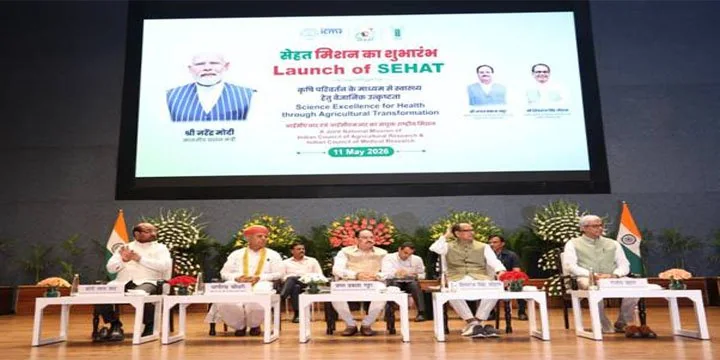
Why in News Union Ministers Shri JP Nadda and Shri Shivraj Singh Chouhan launched the SEHAT Mission in New Delhi on 11 May 2026. The mission is a joint initiative of: ICAR (Indian Council of Agricultural Research) ICMR (Indian Council of Medical Research) It aims to integrate agriculture, nutrition, and public health under the vision: “Healthy Food, Healthy Farms and a Healthy India”… Objective To integrate agriculture and health systems for: Nutrition improvement Disease prevention Evidence-based policymaking To promote preventive healthcare through food systems.
VRAuthor Desk
2 min read
Why in News Union Ministers Shri JP Nadda and Shri Shivraj Singh Chouhan launched the SEHAT Mission in New Delhi on 11 May 2026. The mission is a joint initiative of: ICAR (Indian Council of Agricultural Research) ICMR (Indian Council of Medical Research) It aims to integrate agriculture, nutrition, and public health under the vision: “Healthy Food, Healthy Farms and a Healthy India”… Objective To integrate agriculture and health systems for: Nutrition improvement Disease prevention Evidence-based policymaking To promote preventive healthcare through food systems.
Why in News
- Union Ministers Shri JP Nadda and Shri Shivraj Singh Chouhan launched the SEHAT Mission in New Delhi on 11 May 2026.
- The mission is a joint initiative of:
- ICAR (Indian Council of Agricultural Research)
- ICMR (Indian Council of Medical Research)
- It aims to integrate agriculture, nutrition, and public health under the vision:
- “Healthy Food, Healthy Farms and a Healthy India”
ABOUT SEHAT MISSION
Full Form
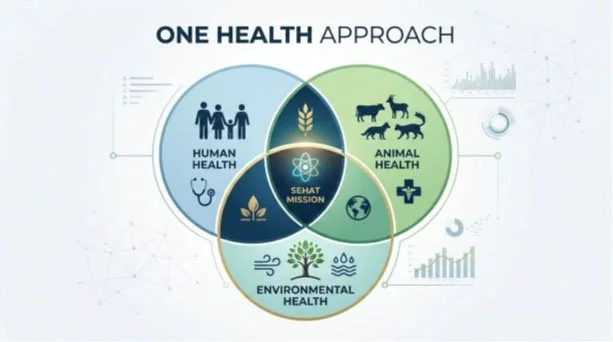
- SEHAT stands for Science Excellence for Health through Agricultural Transformation.
Objective
- To integrate agriculture and health systems for:
- Nutrition improvement
- Disease prevention
- Evidence-based policymaking
- To promote preventive healthcare through food systems.
KEY FEATURES
Agriculture–Health Integration
- Establishes linkage between:
- Farm production
- Nutrition outcomes
- Public health systems
Nutrition-Focused Agriculture
- Promotes:
- Bio-fortified crops
- Nutri-rich traditional crops (millets: ragi, bajra, jowar)
- Aims to reduce:
- Hidden hunger
- Micronutrient deficiencies
INTEGRATED FARMING SYSTEMS
- Encourages diversification through:
- Crop farming
- Horticulture
- Animal husbandry
- Fisheries
- Beekeeping
- Aims to improve:
- Nutrition security
- Farmer income
Health Focus
- Targets reduction of:
- Non-communicable diseases (NCDs) such as:
- Promotes food-based preventive healthcare
Farmer Health and Safety
- Focuses on:
- Reducing pesticide exposure risks
- ? Promoting safe agricultural practices
SIGNIFICANCE
Public Health
- Addresses:
- Malnutrition
- Lifestyle diseases
- Promotes preventive healthcare through diet
Agriculture Sector
- Encourages shift from:
- Food security ? Nutrition security
- Promotes scientific crop planning
Policy Integration
- Strengthens coordination between:
- Agriculture and health ministries
- Promotes evidence-based policymaking
- Prelims: Key facts, institutions, locations and terminology in the article.
- Mains: Connect the topic with Polity & Governance, Health.
- Revision: Use the article headings to prepare concise notes and answer-writing points.
Test your understanding
Questions from this article
Prelims practiceWith reference to SEHAT MISSION, consider the following statements:
- Union Ministers Shri JP Nadda and Shri Shivraj Singh Chouhan launched the SEHAT Mission in New Delhi on 11 May 2026.
- The mission is a joint initiative of: ICAR (Indian Council of Agricultural Research) ICMR (Indian Council of Medical Research)
- ICAR (Indian Council of Agricultural Research)
Which of the statements given above are correct?
- 1 and 2 only
- 2 and 3 only
- 1 and 3 only
- 1, 2 and 3
View answer
Answer: (d) 1, 2 and 3. All three statements are drawn from the article.
Mains practiceDiscuss the background, key issues and significance of SEHAT MISSION for India.
Answer in 250 words.
View answer approach
- ABOUT SEHAT MISSION
- KEY FEATURES
- INTEGRATED FARMING SYSTEMS
- SIGNIFICANCE
Frequently asked questionsFrequently asked questions
Why is Sehat Mission in the news?
Why in News Union Ministers Shri JP Nadda and Shri Shivraj Singh Chouhan launched the SEHAT Mission in New Delhi on 11 May 2026. The mission is a joint initiative of: ICAR (Indian Council of Agricultural Research) ICMR (Indian Council of Medical Research) It aims to integrate agriculture, nutrition, and public health under the vision: “Healthy Food, Healthy Farms and a Healthy India”…
What are the key facts about Sehat Mission?
Objective To integrate agriculture and health systems for: Nutrition improvement Disease prevention Evidence-based policymaking To promote preventive healthcare through food systems. KEY FEATURES Agriculture–Health Integration Establishes linkage between: Farm production Nutrition outcomes Public health systems Nutrition-Focused Agriculture Promotes: Bio-fortified crops Nutri-rich traditional crops (millets: ragi, bajra, jowar) Aims to… Promoting safe agricultural practices SIGNIFICANCE Public Health Addresses: Malnutrition Lifestyle diseases Promotes preventive healthcare through diet Agriculture Sector Encourages shift from: Food security ?
Why is Sehat Mission important for UPSC preparation?
The topic connects current developments with Polity & Governance, Health and is relevant for both objective revision and analytical answer writing.