UPSC Current Affairs
RUSSIA & CHINA VETO ON UN RESOLUTION
On 7 April 2026, Russia and China vetoed a resolution in the United Nations Security Council related to the reopening of the Strait of Hormuz. The resolution was introduced amid: Ongoing US–Iran conflict Rising global energy crisis THE RESULT The voting result was: 11 votes in favour 2 vetoes (Russia, China) 2 abstentions (Pakistan, Colombia) The vote took place just before a deadline set by Donald… This event highlights global power divisions and limits of UN action IMPORTANCE OF STRAIT OF HORMUZ The Strait of Hormuz is a strategic maritime chokepoint Key Facts: Around 20% of global oil supply passes through it It connects: Persian Gulf ?
VRAuthor Desk
3 min read
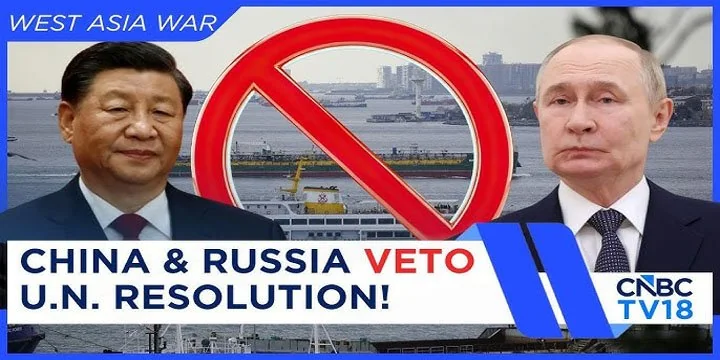
On 7 April 2026, Russia and China vetoed a resolution in the United Nations Security Council related to the reopening of the Strait of Hormuz. The resolution was introduced amid: Ongoing US–Iran conflict Rising global energy crisis THE RESULT The voting result was: 11 votes in favour 2 vetoes (Russia, China) 2 abstentions (Pakistan, Colombia) The vote took place just before a deadline set by Donald… This event highlights global power divisions and limits of UN action IMPORTANCE OF STRAIT OF HORMUZ The Strait of Hormuz is a strategic maritime chokepoint Key Facts: Around 20% of global oil supply passes through it It connects: Persian Gulf ?
Why in News?
- On 7 April 2026, Russia and China vetoed a resolution in the United Nations Security Council related to the reopening of the Strait of Hormuz.
- The resolution was introduced amid:
- Ongoing US–Iran conflict
- Rising global energy crisis
THE RESULT
- The voting result was:
- 11 votes in favour
- 2 vetoes (Russia, China)
- 2 abstentions (Pakistan, Colombia)
- The vote took place just before a deadline set by Donald Trump demanding Iran reopen the Strait.
This event highlights
global power divisions and limits of UN action
IMPORTANCE OF STRAIT OF HORMUZ
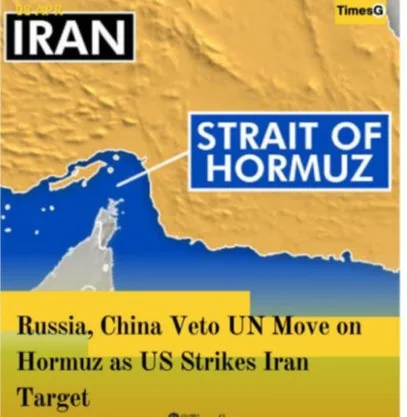
- The Strait of Hormuz is a strategic maritime chokepoint
Key Facts:
- Around 20% of global oil supply passes through it
- It connects:
- Persian Gulf ? Arabian Sea
During Conflict:
- Iran restricted movement in the Strait
- This led to:
- Sharp rise in global oil prices
- Threat to global energy security
Gulf countries considered this an
existential threat
ABOUT THE PROPOSED UN RESOLUTION
Initial Proposal
- Proposed by Bahrain
- __________It aimed to:
- Ensure free navigation
- Reopen the Strait
- Initially allowed:
- Use of “all necessary means” (including military force)
Dilution of Resolution :
- Due to opposition from Russia, China, France:
Changes made:
- Removed:
- Limited to:
- Further diluted to:
- Only encourage coordination among countries
- No direct authorization of action
The resolution became
very weak
FINAL PROVISION OF THE RESOLUTION
- It encouraged countries to:
- Protect commercial shipping
- Escort merchant vessels
- Ensure safe navigation
- It demanded Iran to:
- Stop attacks on ships and infrastructure
- Respect freedom of navigation
However, it had
no binding enforcement mechanism
WHY DID RUSSIA & CHINA VETO?
- Russia and China argued that:
- The US and Israel started the conflict
- Military pressure would increase tensions
- They emphasized:
- Need for immediate ceasefire
- Preference for diplomatic solution
Their veto reflects
geopolitical alignment and strategic interests
IMPACT OF THE VETO
On Global Governance
- Shows limitations of:
- Even with majority support:
- A single veto can block action
On Conflict
- No strong international action to:
- Reopen Strait
- Protect shipping
- Conflict continued without:
- Effective global intervention
On Global Economy
- Continued:
- Energy supply disruption
- High oil prices
Increased
economic uncertainty worldwide
REACTION OF COUNTRIES
- Gulf countries (like Bahrain) expressed concern:
- Said failure sends wrong signal globally
- The resolution was seen as:
- A missed opportunity to ensure maritime security
ABOUT UNSC
Basic Features
- The United Nations Security Council is:
- One of the 6 principal organs of the UN
- Established in:
- Main role:
- Maintain international peace and security
Structure : Total Members: 15
Permanent Members (P5)
- Countries:
- China, France, Russia, UK, USA
- Special power:
Any one veto can
block a resolution
Non-Permanent Members (10)
- Elected for:
- Based on:
- Geographical representation
Voting System
- A resolution requires:
- At least 9 votes in favour
- No veto by P5 members
KEY POWERS
- Sanctions (economic restrictions)
- Peacekeeping missions
- Authorization of military action
- Conflict investigation
Legal Authority
- Under Article 25 of UN Charter:
- Members must follow UNSC decisions
Makes UNSC decisions
legally binding
SIGNIFICANCE OF UNSC IN THIS CASE
- UNSC acted as:
- A global negotiation platform
- However:
- Veto power prevented action Highlights:
- Power politics over global consensus
CONCLUSION
- The veto by Russia and China reflects:
- Geopolitical rivalry
- Limits of multilateral institutions
- Despite global concern:
- UNSC could not take effective action
- The event shows that:
- International peace mechanisms depend heavily on major powers’ interests
- Prelims: Key facts, institutions, locations and terminology in the article.
- Mains: Connect the topic with Economy, International Relations, Defence.
- Revision: Use the article headings to prepare concise notes and answer-writing points.
Test your understanding
Questions from this article
Prelims practiceWith reference to RUSSIA & CHINA VETO ON UN RESOLUTION, consider the following statements:
- On 7 April 2026, Russia and China vetoed a resolution in the United Nations Security Council related to the reopening of the Strait of Hormuz.
- The resolution was introduced amid: Ongoing US–Iran conflict Rising global energy crisis
- Rising global energy crisis
Which of the statements given above are correct?
- 1 and 2 only
- 2 and 3 only
- 1 and 3 only
- 1, 2 and 3
View answer
Answer: (d) 1, 2 and 3. All three statements are drawn from the article.
Mains practiceDiscuss the background, key issues and significance of RUSSIA & CHINA VETO ON UN RESOLUTION for India.
Answer in 250 words.
View answer approach
- Why in News?
- THE RESULT
- IMPORTANCE OF STRAIT OF HORMUZ
- Key Facts:
- During Conflict:
Frequently asked questionsFrequently asked questions
Why is Russia & China Veto On Un Resolution in the news?
On 7 April 2026, Russia and China vetoed a resolution in the United Nations Security Council related to the reopening of the Strait of Hormuz. The resolution was introduced amid: Ongoing US–Iran conflict Rising global energy crisis THE RESULT The voting result was: 11 votes in favour 2 vetoes (Russia, China) 2 abstentions (Pakistan, Colombia) The vote took place just before a deadline set by Donald…
What are the key facts about Russia & China Veto On Un Resolution?
This event highlights global power divisions and limits of UN action IMPORTANCE OF STRAIT OF HORMUZ The Strait of Hormuz is a strategic maritime chokepoint Key Facts: Around 20% of global oil supply passes through it It connects: Persian Gulf ? Arabian Sea During Conflict: Iran restricted movement in the Strait This led to: Sharp rise in global oil prices Threat to global energy security Gulf countries considered this an existential threat ABOUT THE PROPOSED UN RESOLUTION Initial Proposal Proposed by… Russia and China argued that: The US and Israel started the conflict Military pressure would increase tensions They emphasized: Need for immediate ceasefire Preference for diplomatic solution Their veto reflects geopolitical alignment and strategic interests…
Why is Russia & China Veto On Un Resolution important for UPSC preparation?
The topic connects current developments with Economy, International Relations, Defence and is relevant for both objective revision and analytical answer writing.