UPSC Current Affairs
INDIA’S OUTREACH TO ANGOLA FOR ENERGY SECURITY
Disruption in the Strait of Hormuz exposed India’s energy vulnerability Impact on India: Nearly 90% of LPG supply routes affected Around 50% of LNG demand depends on imports India has started energy negotiations with Angola This is not just emergency action… Angola has: 4.6 trillion cubic feet of gas reserves Already: India’s 5th largest LNG supplier (FY25) Export value: $924 million Not a new partner, but an underutilised strategic partner CURRENT DEVELOPMENTS Indian Companies Involved Indian Oil Corporation… Sonangol Nature of Agreements Short-term contracts ?
VRAuthor Desk
3 min read
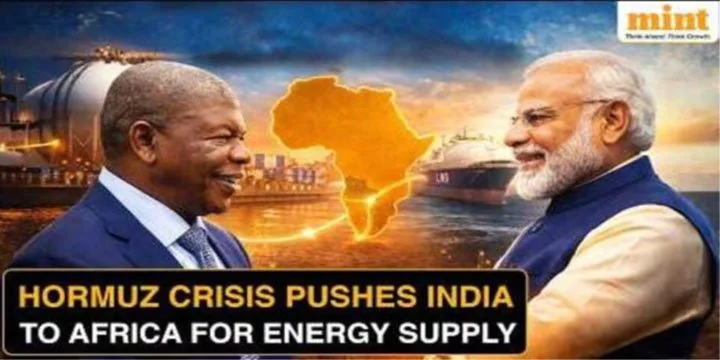
Disruption in the Strait of Hormuz exposed India’s energy vulnerability Impact on India: Nearly 90% of LPG supply routes affected Around 50% of LNG demand depends on imports India has started energy negotiations with Angola This is not just emergency action… Angola has: 4.6 trillion cubic feet of gas reserves Already: India’s 5th largest LNG supplier (FY25) Export value: $924 million Not a new partner, but an underutilised strategic partner CURRENT DEVELOPMENTS Indian Companies Involved Indian Oil Corporation… Sonangol Nature of Agreements Short-term contracts ?
WHY IN NEWS?
- Disruption in the Strait of Hormuz exposed India’s energy vulnerability
- Impact on India:
- Nearly 90% of LPG supply routes affected
- Around 50% of LNG demand depends on imports
- India has started energy negotiations with Angola
- This is not just emergency action, but a long-term strategic shift in energy policy
CORE ISSUE IDENTIFIED
- India’s energy imports are highly concentrated in West Asia
- This creates:
- Geopolitical risk
- Supply disruption risk
Key Problem:
Overdependence on a single region
WHY ANGOLA IS IMPORTANT?
- Angola has:
- 4.6 trillion cubic feet of gas reserves
- Already:
- India’s 5th largest LNG supplier (FY25)
- Export value: $924 million
Not a new partner, but an
underutilised strategic partner
CURRENT DEVELOPMENTS
Indian Companies Involved
- Indian Oil Corporation (IOC)
- Bharat Petroleum Corporation Limited (BPCL)
- Hindustan Petroleum Corporation Limited (HPCL)
- GAIL Ltd
Partner
- Angola’s national oil company ? Sonangol
Nature of Agreements
- Short-term contracts ? LPG supply
- Long-term contracts (up to 10 years) ? LNG imports
Shift from:
- Spot purchases ? Structured long-term engagement
KEY DRIVERS BEHIND THIS SHIFT
(A) Supply Disruption
Highlighted vulnerability of
West Asia dependence
(B) Energy Security Need
- India requires:
- Stable and continuous supply
Crisis showed:
- Cost is less important than availability
(C) Strategic Diversification
- Aim:
- Reduce dependence on single geography
Move towards
multi-region energy sourcing
ADVANTAGES OF ANGOLA
(A) Resource Strength
- Large natural gas reserves
(B) Existing Trade Link
- Already a reliable supplier
(C) Logistical Advantage
- Shipping time:
- 10–15 days shorter than North America
Leads to:
- Faster delivery
- Lower inventory cost
(D) Future Potential
- If imports increase:
- Trade may reach $2–3 billion annually
Angola can become a
top-tier supplier
IMPACT ON INDIA AFRICA TRADE
- Current trade:
- $90–100 billion Expected Changes
(1) Energy Diversification
- Even 5–10% shift to Africa:
- Reduces dependence on West Asia
(2) Stable Long-Term Trade
- Long-term LNG contracts:
- Ensure predictable supply
(3) Expansion Beyond Energy
- Growth in:
- Shipping
- Ports
- Engineering services
(4) Investment Opportunities
- Indian firms may invest in:
Shift from:
- Buyer–seller ? Investment partnership
TRADE OFFS
(A) Higher Cost
- African gas may be:
- More expensive than Gulf suppliers
(B) Short-Term Burden
(C) Strategic Logic
Key Idea:
- Cost efficiency without supply security is risky
- India is shifting to:
- Risk-adjusted trade strategy
STRATEGIC SIGNIFICANCE
- Reduces dependence on:
- Creates:
- Diversified energy basket
- Improves:
- Long-term energy security
- Provides:
- Model for future diversification (Africa focus)
ABOUT ANGOLA
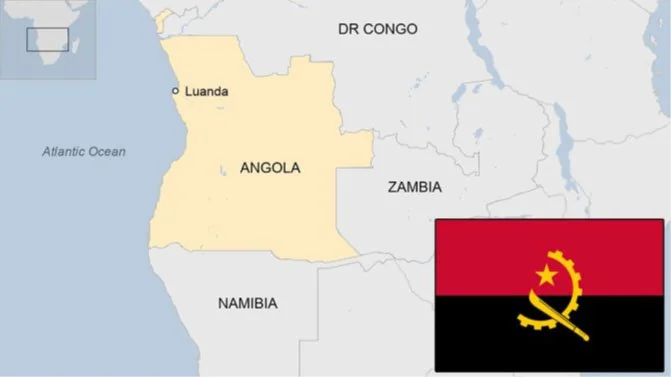
Location
- Angola is located on:
- South-Western coast of Africa
- Borders:
- Republic of Congo
- Democratic Republic of Congo
- Zambia
- Namibia
- Coastline:
- Luanda
GEOGRAPHICAL FEATURES
- Climate:
- Major Rivers:
- Cuango River
- Cuanza River
- Waterfall:
- Highest Peak:
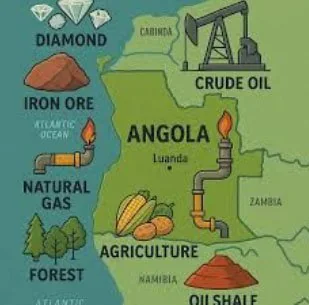
NATURAL RESOURCES FOUND
- Petroleum
- Diamonds
- Iron ore
- Gold
- Uranium
- Prelims: Key facts, institutions, locations and terminology in the article.
- Mains: Connect the topic with Environment, Economy, International Relations.
- Revision: Use the article headings to prepare concise notes and answer-writing points.
Test your understanding
Questions from this article
Prelims practiceWith reference to INDIA’S OUTREACH TO ANGOLA FOR ENERGY SECURITY, consider the following statements:
- Disruption in the Strait of Hormuz exposed India’s energy vulnerability
- Impact on India: Nearly 90% of LPG supply routes affected Around 50% of LNG demand depends on imports
- Nearly 90% of LPG supply routes affected
Which of the statements given above are correct?
- 1 and 2 only
- 2 and 3 only
- 1 and 3 only
- 1, 2 and 3
View answer
Answer: (d) 1, 2 and 3. All three statements are drawn from the article.
Mains practiceDiscuss the background, key issues and significance of INDIA’S OUTREACH TO ANGOLA FOR ENERGY SECURITY for India.
Answer in 250 words.
View answer approach
- WHY IN NEWS?
- CORE ISSUE IDENTIFIED
- WHY ANGOLA IS IMPORTANT?
- CURRENT DEVELOPMENTS
- KEY DRIVERS BEHIND THIS SHIFT
Frequently asked questionsFrequently asked questions
Why is India’S Outreach To Angola For Energy Security in the news?
Disruption in the Strait of Hormuz exposed India’s energy vulnerability Impact on India: Nearly 90% of LPG supply routes affected Around 50% of LNG demand depends on imports India has started energy negotiations with Angola This is not just emergency action… Angola has: 4.6 trillion cubic feet of gas reserves Already: India’s 5th largest LNG supplier (FY25) Export value: $924 million Not a new partner, but an underutilised strategic partner CURRENT DEVELOPMENTS Indian Companies Involved Indian Oil Corporation…
What are the key facts about India’S Outreach To Angola For Energy Security?
Sonangol Nature of Agreements Short-term contracts ? LPG supply Long-term contracts (up to 10 years) ? LNG imports Shift from: Spot purchases ?
Why is India’S Outreach To Angola For Energy Security important for UPSC preparation?
The topic connects current developments with Environment, Economy, International Relations and is relevant for both objective revision and analytical answer writing.