UPSC Current Affairs
HEZBOLLAH USING FIBRE OPTIC DRONES
Hezbollah is reportedly using fiber-optic drones in attacksagainst Israel. These drones are difficult to stop because they cannot be easily jammed through electronic warfare systems. The technology was earlier widely used during the Russia-Ukraine War.
VRAuthor Desk
3 min read
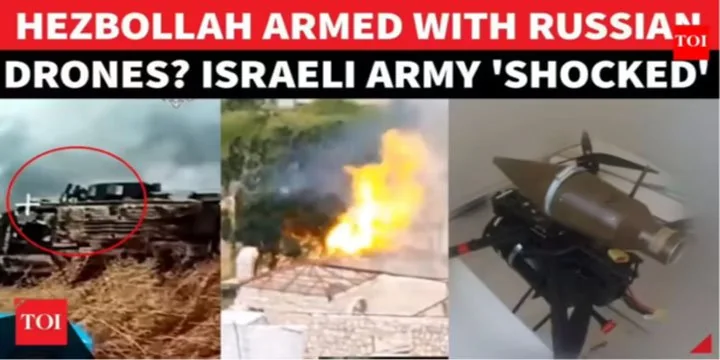
Hezbollah is reportedly using fiber-optic drones in attacksagainst Israel. These drones are difficult to stop because they cannot be easily jammed through electronic warfare systems. The technology was earlier widely used during the Russia-Ukraine War.
Why in News?
- Hezbollah is reportedly using fiber-optic drones in attacksagainst Israel.
- These drones are difficult to stop because they cannot be easily jammed through electronic warfare systems.
- The technology was earlier widely used during the Russia-Ukraine War.
WHAT ARE FIBRE OPTIC DRONES?
- Fiber-optic drones are drones controlled through very thin fiber-optic cables instead ofnormal radio signals.
- The cables are:
- Extremely thin
- Nearly invisible
- Similar in width to dental floss
WHY ARE THEY HARD TO DETECT?
Immune to Electronic Jamming
- Traditional drones depend on radio signals.
- Those signals can often be blocked or jammed electronically.
- Fiber-optic drones do not rely on radio communication.
- As a result, electronic jamming systems become ineffective.
Hard to Detect
According to drone experts:
- The drones fly:
- They are also:
- Small in size
- Difficult to track
- Difficult to intercept
Difficult Interception
- Israel would need to:
- Physically intercept the drone
- Or cut the nearly invisible fiber-optic cable
- Both tasks are extremely challenging during active combat.
EXPERT OBSERVATIONS & CONCERNS
Robert Tollast’s View
- Drone expert Robert Tollast stated that:
- If operated properly, these drones can be “absolutely deadly.”
- He also noted that:
- Russia and Ukraine have used many types of drones on a massive scale.
Israeli Concerns
- Former Israeli air defence commander Ran Kochav admitted that Israel is struggling to counter such drones
- He stated that:
- The drones are very hard to detect and track.
- Israel focused more on missile and rocket defence systems and paid less attention to drone threats.
ORIGIN OF THE TECHNOLOGY
- Fiber-optic drones became prominent during the Russia-Ukraine War
- The technology was developed to bypass electronic jamming systems used in warfare.
Large-Scale Use in Ukraine
- The drones were used extensively by both Russia and Ukraine.
- Fiber-optic cables reportedly stretched up to:
- In some frontline areas, the cables covered entire fields like spiderwebs.
HEZBOLLAH’S USE OF THE DRONES
- Hezbollah has released videos of attacks using these drones through:
- Social media platforms
- Al-Manar TV
Reported Attacks
- One attack reportedly:
- Killed an Israeli soldier
- Injured six others
- Another attack reportedly killed an Israeli civilian.
- Attack on Rescue Helicopter: In one incident:
- A second drone targeted a military helicopter arriving to evacuate injured soldiers.
- The drone narrowly missed the helicopter.
ISRAELI DRONE OPERATIONS
- Israel also operates a large drone fleet for:
- Surveillance
- Air strikes
- Monitoring Hezbollah movements
- Hezbollah officially announced the use of fiber-optic drones on March 2 during a phase of fighting.
SIGNIFICANCE OF THE DEVELOPMENT
Changing Nature of Warfare
- The conflict shows how modern wars increasingly depend on:
- Drone technology
- Artificial intelligence
- Electronic warfare systems
Rise of Low-Cost Precision Weapons
- Small drones can cause serious military damage at relatively low cost.
Lessons from Ukraine War
- Technologies developed during one conflict are now spreading to other regions.
CHALLENGE FOR THE AIR DEFENCE SYSTEMS
Traditional missile defence systems may not be fully effective against:
- Small
- Fast
- Low-flying drones
CONCLUSION
- The use of fiber-optic drones by Hezbollah highlights the growing importance of dronewarfare in modern conflicts.
- These drones are difficult to jam, track and intercept, creating major security challengesfor Israel.
- The development also reflects how technologies from the Russia-Ukraine war are influencing conflicts in other parts of the world.
- Prelims: Key facts, institutions, locations and terminology in the article.
- Mains: Connect the topic with Economy, Defence, Polity & Governance.
- Revision: Use the article headings to prepare concise notes and answer-writing points.
Test your understanding
Questions from this article
Prelims practiceWith reference to HEZBOLLAH USING FIBRE OPTIC DRONES, consider the following statements:
- Hezbollah is reportedly using fiber-optic drones in attacksagainst Israel.
- These drones are difficult to stop because they cannot be easily jammed through electronic warfare systems.
- The technology was earlier widely used during the Russia-Ukraine War.
Which of the statements given above are correct?
- 1 and 2 only
- 2 and 3 only
- 1 and 3 only
- 1, 2 and 3
View answer
Answer: (d) 1, 2 and 3. All three statements are drawn from the article.
Mains practiceDiscuss the background, key issues and significance of HEZBOLLAH USING FIBRE OPTIC DRONES for India.
Answer in 250 words.
View answer approach
- Why in News?
- WHAT ARE FIBRE OPTIC DRONES?
- WHY ARE THEY HARD TO DETECT?
- EXPERT OBSERVATIONS & CONCERNS
- ORIGIN OF THE TECHNOLOGY
Frequently asked questionsFrequently asked questions
Why is Hezbollah Using Fibre Optic Drones in the news?
Hezbollah is reportedly using fiber-optic drones in attacksagainst Israel. These drones are difficult to stop because they cannot be easily jammed through electronic warfare systems.
What are the key facts about Hezbollah Using Fibre Optic Drones?
The technology was earlier widely used during the Russia-Ukraine War. Fiber-optic drones are drones controlled through very thin fiber-optic cables instead ofnormal radio signals. The cables are: Extremely thin Nearly invisible Similar in width to dental floss WHY ARE THEY HARD TO DETECT?
Why is Hezbollah Using Fibre Optic Drones important for UPSC preparation?
The topic connects current developments with Economy, Defence, Polity & Governance and is relevant for both objective revision and analytical answer writing.