UPSC Current Affairs
CUSTOM DUTY EXEMPTION ON PETROCHEMICALS
granted full customs duty exemption (0% rate) on ~40 critical petrochemical products and polymers from April 2, 2026, to June 30, 2026. This temporary, time-bound relief aims to combat supply chain disruptions and stabilize costs for downstream industries like plastics, textiles, and pharma during the West Asia conflict. Petrochemicals are chemical compounds derived from petroleum (crude oil) and natural gas.
VRAuthor Desk
2 min read
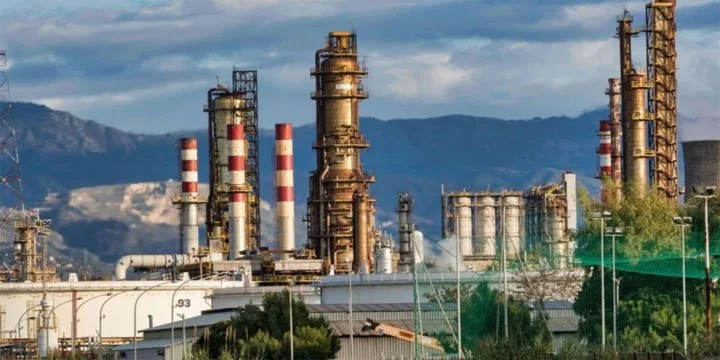
granted full customs duty exemption (0% rate) on ~40 critical petrochemical products and polymers from April 2, 2026, to June 30, 2026. This temporary, time-bound relief aims to combat supply chain disruptions and stabilize costs for downstream industries like plastics, textiles, and pharma during the West Asia conflict. Petrochemicals are chemical compounds derived from petroleum (crude oil) and natural gas.
granted full customs duty exemption (0% rate) on ~40 critical petrochemical products and polymers from
April 2, 2026, to June 30, 2026.
This temporary, time-bound relief aims to combat supply chain disruptions and stabilize costs for downstream industries like plastics, textiles, and pharma during the West Asia conflict.
WHAT ARE PETROCHEMICALS?
Petrochemicals are
chemical compounds derived from
petroleum (crude oil) and
natural gas.
They serve as essential
building blocks for countless modern products, including plastics, fertilizers, synthetic fibers, detergents, and rubber.
WHERE & HOW ARE THEY PRODUCED?
Produced
in refineries through processes like
cracking and distillation, they are fundamental to both industrial manufacturing and consumer goods.
MORE DETAILS
- Sources: Primarily made from hydrocarbons found in crude oil and natural gas.
- Main Types: The two most common classes are olefins (ethylene, propylene) and aromatics (benzene, toluene, xylene)
- Common Uses: They are used to create plastics, packaging, clothing, digital devices, medical equipment, tires, solar panels, and detergents.
- Process: Raw materials are processed in refineries via fractional distillation and cracking to produce useful chemical compounds.
EXAMPLES & PRODUCTS
- Plastics: Polyethylene (PE) and Polypropylene (PP) are used for packaging, containers, and pipes.
- Synthetic Fibers: Polyester and nylon for textiles.
- Rubber: Synthetic rubber for tires.
- Chemicals: Ammonia for fertilizers, and various solvents.
- Bitumen: Used for asphalt in road construction.
KEY DETAILS OF THE EXEMPTIONS
- Targeted Products: Covers feedstocks, intermediate chemicals, and polymers such as methanol, toluene, styrene, acetic acid, PVC, polypropylene, polyols, and polyethylene terephthalate (PET) chips.
- Goal: To ensure consistent supply of raw materials and mitigate rising import costs.
- Affected Sectors: Plastics, packaging, textiles, pharmaceuticals, automotive components, and chemical manufacturing.
SPECIFIC ITEMS COVERED
- Upstream & Intermediates: Anhydrous ammonia, Methanol, Toluene, Styrene, Vinyl Chloride Monomer (VCM), Monoethylene Glycol (MEG), Phenol, Vinyl Acetate Monomer (VAM), Purified Terephthalic Acid (PTA).
- Polymers & Resins: Polypropylene (PP), Polyvinyl Chloride (PVC), Polystyrene (PS), Polycarbonates (PC), Epoxy Resins, Polyurethanes, PET chips.
- Prelims: Key facts, institutions, locations and terminology in the article.
- Mains: Connect the topic with Economy, Polity & Governance, Science & Technology.
- Revision: Use the article headings to prepare concise notes and answer-writing points.
Test your understanding
Questions from this article
Prelims practiceWith reference to CUSTOM DUTY EXEMPTION ON PETROCHEMICALS, consider the following statements:
- Sources: Primarily made from hydrocarbons found in crude oil and natural gas.
- Main Types: The two most common classes are olefins (ethylene, propylene) and aromatics (benzene, toluene, xylene)
- Common Uses: They are used to create plastics, packaging, clothing, digital devices, medical equipment, tires, solar panels, and detergents.
Which of the statements given above are correct?
- 1 and 2 only
- 2 and 3 only
- 1 and 3 only
- 1, 2 and 3
View answer
Answer: (d) 1, 2 and 3. All three statements are drawn from the article.
Mains practiceDiscuss the background, key issues and significance of CUSTOM DUTY EXEMPTION ON PETROCHEMICALS for India.
Answer in 250 words.
View answer approach
- MORE DETAILS
- EXAMPLES & PRODUCTS
- KEY DETAILS OF THE EXEMPTIONS
- SPECIFIC ITEMS COVERED
Frequently asked questionsFrequently asked questions
Why is Custom Duty Exemption On Petrochemicals in the news?
granted full customs duty exemption (0% rate) on ~40 critical petrochemical products and polymers from April 2, 2026, to June 30, 2026. This temporary, time-bound relief aims to combat supply chain disruptions and stabilize costs for downstream industries like plastics, textiles, and pharma during the West Asia conflict.
What are the key facts about Custom Duty Exemption On Petrochemicals?
Petrochemicals are chemical compounds derived from petroleum (crude oil) and natural gas. They serve as essential building blocks for countless modern products, including plastics, fertilizers, synthetic fibers, detergents, and rubber. Produced in refineries through processes like cracking and distillation, they are fundamental to both industrial manufacturing and consumer goods.
Why is Custom Duty Exemption On Petrochemicals important for UPSC preparation?
The topic connects current developments with Economy, Polity & Governance, Science & Technology and is relevant for both objective revision and analytical answer writing.