UPSC Current Affairs
BLENDING OF ORGANIC MANURE WITH FERTILIZERS
Why in News The Indian Biogas Association (IBA) has recommended a mandatory 10% blending of fermented organic manure (FOM) with chemical fertilizers by 2030. The proposal aims to: Improve soil health Reduce dependency on chemical fertilizers Save nearly $2 billion annually in fertilizer imports The recommendation was presented through a white paper titled: “FOM feeds soil; soil feeds sustainability” The white paper… It is expected to: Improve soil fertility Enhance crop productivity Reduce fertilizer import dependence Soil Health Improvement India’s soil organic carbon level is around 0.4%, which is critically low.
VRAuthor Desk
2 min read
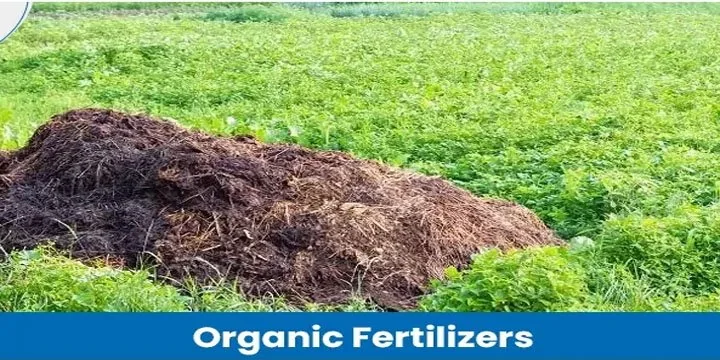
Why in News The Indian Biogas Association (IBA) has recommended a mandatory 10% blending of fermented organic manure (FOM) with chemical fertilizers by 2030. The proposal aims to: Improve soil health Reduce dependency on chemical fertilizers Save nearly $2 billion annually in fertilizer imports The recommendation was presented through a white paper titled: “FOM feeds soil; soil feeds sustainability” The white paper… It is expected to: Improve soil fertility Enhance crop productivity Reduce fertilizer import dependence Soil Health Improvement India’s soil organic carbon level is around 0.4%, which is critically low.
Why in News
- The Indian Biogas Association (IBA) has recommended a mandatory 10% blending of fermented organic manure (FOM) with chemical fertilizers by 2030.
- The proposal aims to:
- Improve soil health
- Reduce dependency on chemical fertilizers
- Save nearly $2 billion annually in fertilizer imports
- The recommendation was presented through a white paper titled:
- “FOM feeds soil; soil feeds sustainability”
- The white paper was released by:
- Secretary, Ministry of New and Renewable Energy (MNRE)
ABOUT THE PROPOSAL
Core Recommendation
- The IBA has proposed:
- 10% mandatory blending of FOM with chemical fertilizers by 2030
- It also calls for integrating FOM into:
- Nutrient-Based Subsidy (NBS) framework
- Soil Health Card Scheme
- Paramparagat Krishi Vikas Yojana (PKVY)
OBJECTIVE
- To restore declining soil health in India
- To promote sustainable and regenerative agriculture
- To reduce dependence on chemical fertilizers
- To create a circular economy linking energy and agriculture
KEY FEATURES OF THE PROPOSAL
Blending Mandate
- A 10% blending requirement of FOM with chemical fertilizers is proposed by 2030.
- It is expected to:
- Improve soil fertility
- Enhance crop productivity
- Reduce fertilizer import dependence
Soil Health Improvement
- India’s soil organic carbon level is around 0.4%, which is critically low.
- Low soil organic carbon leads to:
- Poor soil fertility
- Reduced water retention
- Lower agricultural productivity
INTEGRATION WITH GOVERNMENT SCHEMES
- The proposal recommends inclusion of FOM in:
- Nutrient-Based Subsidy (NBS) system
- Soil Health Card Scheme
- PKVY (organic farming programme)
POLICY INNOVATION
- The inclusion of organic carbon as a nutrient parameter under subsidies is proposed.
- This would ensure:
- Balanced fertilization
- Fair subsidy distribution for organic inputs
- Reduced overuse of chemical fertilizers
CIRCULAR ECONOMY MODEL
- The proposal promotes a system linking:
- Biogas production
- Compressed Biogas (CBG)
- Fermented organic manure (FOM)
- It aims to ensure:
- 100% utilisation of biogas by-products
- Development of a sustainable agri-energy ecosystem
EXPECTED BENEFITS
Economic Benefits
- Potential savings of:
- $2 billion annually in fertilizer imports
- Reduced dependency on:
- Imported chemical fertilizers
Agricultural Benefits
- Improved:
- ? Soil fertility
- Crop productivity
- Water retention capacity
Environmental Benefits
- Reduction in:
- Chemical fertilizer overuse
- Promotion of:
- Regenerative agriculture
- Sustainable farming practices
Systemic Benefits
- Strengthening of:
- Fertilizer distribution systems
- Public sector participation in organic inputs
- Creation of:
- Region-specific nutrient solutions
OVERALL SIGNIFICANCE
Soil Health
- Addresses India’s challenge of declining soil organic carbon
- Promotes long-term soil regeneration
Sustainability
- Supports transition towards:
- Climate-resilient agriculture
- Sustainable input usage
Policy Importance
- Encourages integration of:
- Energy sector (biogas)
- Agriculture sector
- Promotes policy convergence for green economy
- Prelims: Key facts, institutions, locations and terminology in the article.
- Mains: Connect the topic with Environment, Economy, Polity & Governance.
- Revision: Use the article headings to prepare concise notes and answer-writing points.
Test your understanding
Questions from this article
Prelims practiceWith reference to BLENDING OF ORGANIC MANURE WITH FERTILIZERS, consider the following statements:
- The Indian Biogas Association (IBA) has recommended a mandatory 10% blending of fermented organic manure (FOM) with chemical fertilizers by 2030.
- The proposal aims to: Improve soil health Reduce dependency on chemical fertilizers Save nearly $2 billion annually in fertilizer imports
- Reduce dependency on chemical fertilizers
Which of the statements given above are correct?
- 1 and 2 only
- 2 and 3 only
- 1 and 3 only
- 1, 2 and 3
View answer
Answer: (d) 1, 2 and 3. All three statements are drawn from the article.
Mains practiceDiscuss the background, key issues and significance of BLENDING OF ORGANIC MANURE WITH FERTILIZERS for India.
Answer in 250 words.
View answer approach
- ABOUT THE PROPOSAL
- OBJECTIVE
- KEY FEATURES OF THE PROPOSAL
- INTEGRATION WITH GOVERNMENT SCHEMES
- POLICY INNOVATION
Frequently asked questionsFrequently asked questions
Why is Blending Of Organic Manure With Fertilizers in the news?
Why in News The Indian Biogas Association (IBA) has recommended a mandatory 10% blending of fermented organic manure (FOM) with chemical fertilizers by 2030. The proposal aims to: Improve soil health Reduce dependency on chemical fertilizers Save nearly $2 billion annually in fertilizer imports The recommendation was presented through a white paper titled: “FOM feeds soil; soil feeds sustainability” The white paper…
What are the key facts about Blending Of Organic Manure With Fertilizers?
It is expected to: Improve soil fertility Enhance crop productivity Reduce fertilizer import dependence Soil Health Improvement India’s soil organic carbon level is around 0.4%, which is critically low. Low soil organic carbon leads to: Poor soil fertility Reduced water retention Lower agricultural productivity INTEGRATION WITH GOVERNMENT SCHEMES The proposal recommends inclusion of FOM in: Nutrient-Based Subsidy (NBS) system Soil Health Card Scheme PKVY… This would ensure: Balanced fertilization Fair subsidy distribution for organic inputs Reduced overuse of chemical fertilizers CIRCULAR ECONOMY MODEL The proposal promotes a system linking: Biogas production Compressed Biogas (CBG) Fermented organic manure…
Why is Blending Of Organic Manure With Fertilizers important for UPSC preparation?
The topic connects current developments with Environment, Economy, Polity & Governance and is relevant for both objective revision and analytical answer writing.